National Dish Zambia: Chakalaka (Recipe)
In this article
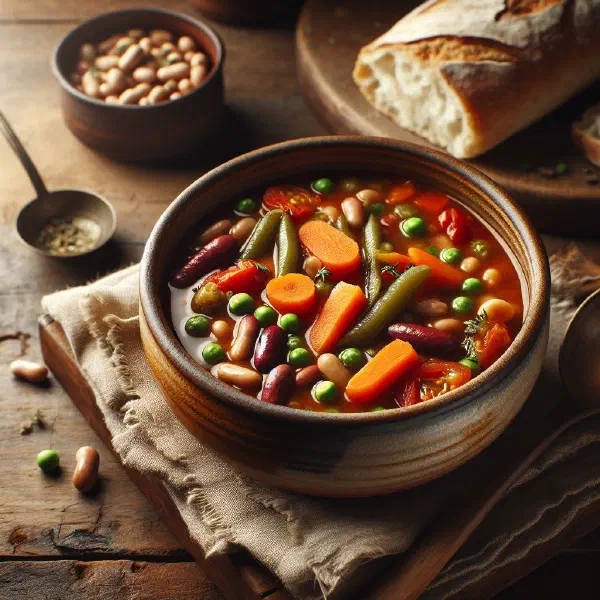
Discover Chakalaka, the fiery vegetable relish that has become a fixture on Zambian tables. Grated carrots, sweet peppers and beans simmer together with garlic, chilli and warm curry spices into something bright, punchy and endlessly moreish. It comes together in one pan in under half an hour, works as a side or a main, and brings all the colour of southern African cooking to your kitchen.
About Chakalaka
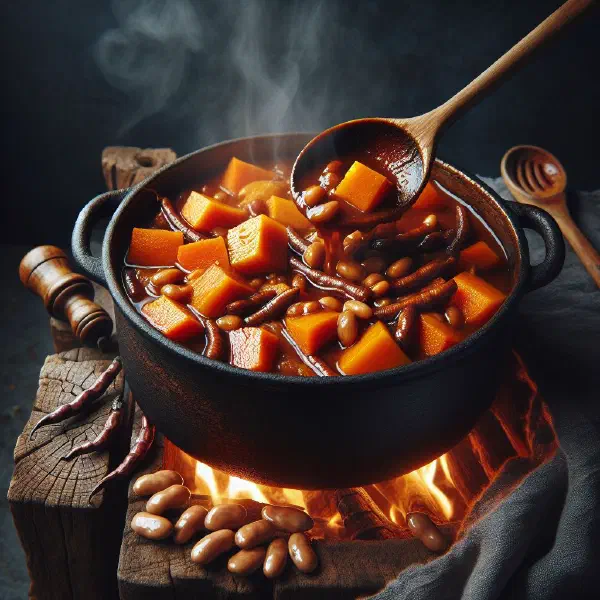
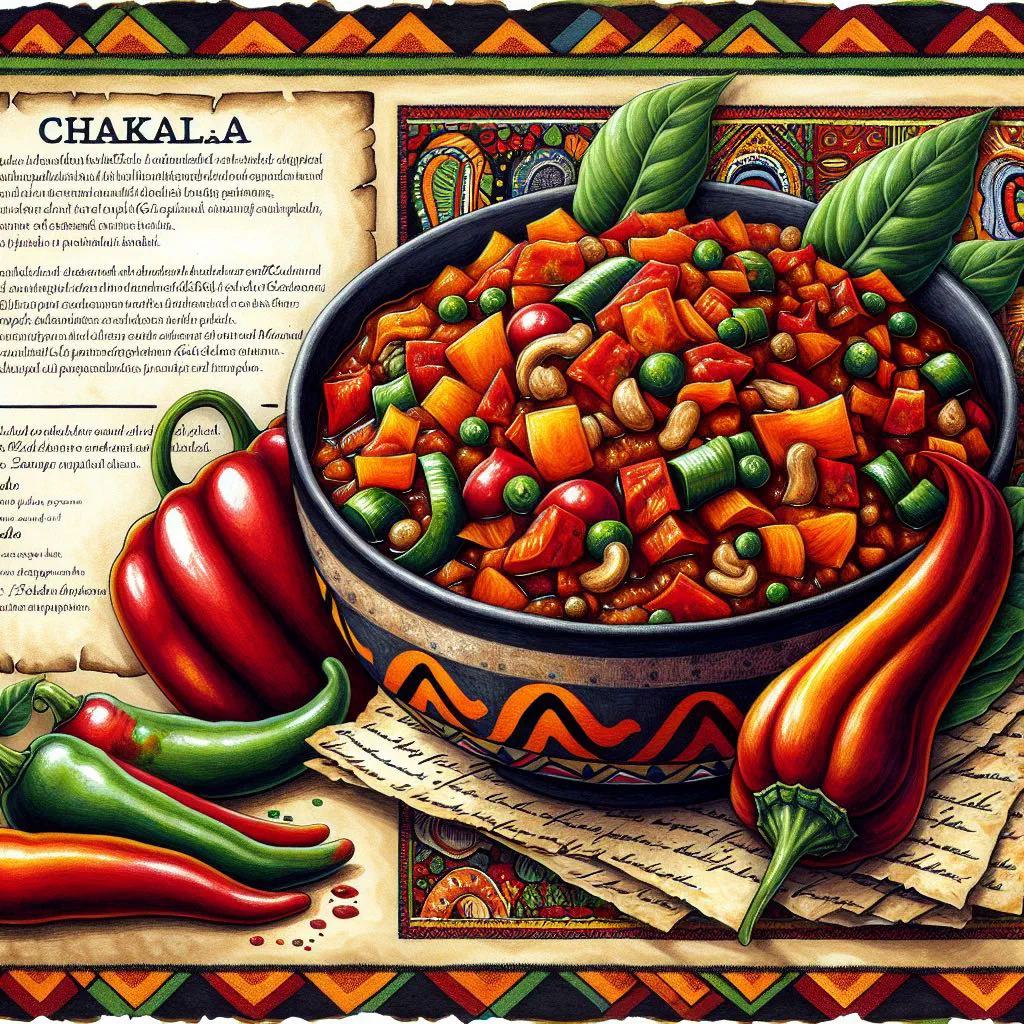
Chakalaka is a much-loved national dish of Zambia that is treasured across many African countries. It is a spicy vegetable relish built from a generous mix of fresh produce, simmered until the flavours meld. Traditionally it is served alongside pap and grilled meat, though it is just as satisfying eaten on its own as a main course. The harmonious balance of aromas and textures makes it a feast for the senses and a delicious introduction to Zambian cooking.
Ingredients (serves 1–2)
- 1 onion, diced
- 2 carrots, grated
- 1 pepper, diced
- 1 tin (400 g) chopped tomatoes
- 1 tin (400 g) beans (kidney beans, for example), rinsed and drained
- 2 cloves of garlic, chopped
- 1–2 green chillies, to taste
- 1 teaspoon curry powder
- 1 teaspoon paprika
- Salt and pepper to taste
- 1 tablespoon oil for frying
Shopping for the ingredients
To make a perfect chakalaka, choose fresh, good-quality ingredients. Onions, carrots and peppers are the backbone of the dish and set its flavour. Rinse the tinned beans thoroughly to wash away any brine and preservatives. The oil you cook with also makes a difference. Both sunflower and olive oil work beautifully here.
Preparing the dish
Before you start cooking, get everything prepped and to hand. Cut the vegetables into evenly sized pieces so they cook at the same rate. Grating the carrots gives a pleasing texture and lends the dish a gentle sweetness. Adjust the chillies to your own tolerance, particularly if you are sensitive to heat, the same approach that works well in a Zambian Vegetable Saute.
Step-by-step instructions
- Heat the oil in a large pan and fry the onions until translucent.
- Add the carrots and pepper and continue frying for about 5 minutes.
- Stir in the garlic and chilli and cook briefly until fragrant.
- Add the chopped tomatoes and beans, then season with curry powder, paprika, salt and pepper.
- Mix everything well and simmer over medium heat for 15–20 minutes, until the vegetables are tender and the flavours have come together.
Gluten-free / lactose-free version
Chakalaka is naturally gluten-free and lactose-free, which makes it an ideal choice for anyone with those allergies or intolerances. Just check that every ingredient you use is genuinely gluten-free, especially tinned goods and spice blends. By sticking to fresh vegetables and unprocessed ingredients, the dish stays both wholesome and free of animal products.
Tips for vegans and vegetarians
Chakalaka is perfectly suited to vegans and vegetarians as it stands, being rich in vegetables and pulses. You can adapt it freely by adding extra sources of protein such as lentils or a good plant-based sausage. Varying the heat is another easy way to make it work for everyone at the table. Swap in seasonal vegetables to discover new flavour combinations.
More tips and tricks
A few small tips and tricks will lift your chakalaka further. There are many regional versions that call for additional spices or different vegetables, so it is well worth experimenting. Courgette or aubergine add extra depth, much as they do in a Eggplant Stew. A scattering of fresh herbs such as coriander or parsley gives the finished dish a bright, clean edge.
Adapting the recipe to your taste
One of the great virtues of chakalaka is its versatility. The recipe can be shifted in almost any direction to suit personal preference. Like it hotter? Add more chilli. Prefer something gentler? Simply ease back on the spices. That adaptability makes chakalaka a dish anyone can happily experiment with.
Ingredient substitutions
If you find yourself short of an ingredient, there are plenty of alternatives to fall back on. Chickpeas in place of kidney beans give the dish a slightly different character, while a small amount of pineapple or mango introduces a fruity note. It is also worth trying other spices such as cumin or garam masala to steer the flavour somewhere new, a technique that suits a Bean And Vegetable Stew equally well.
Drink pairing ideas
To round off your chakalaka, give some thought to the drinks. A refreshing glass of lime cordial is a fine match for the dish’s spicy notes, while a light, fruity beer is an excellent alternative. In parts of Zambia a strong black tea is also enjoyed alongside, and it stands up well to the bold flavours.
Serving and presentation ideas
Presentation matters when serving chakalaka. Consider arranging it in a large, colourful bowl and finishing it with fresh herbs. A side of fresh bread or nshima completes the plate both visually and in flavour. Brightly coloured dishes help the vivid reds and oranges of the relish stand out and make the whole spread feel welcoming.
A bit of history
Chakalaka has an intriguing history that reaches well beyond Zambia’s borders. The dish is generally traced back to workers in South Africa, who put together a tasty, nourishing way of using whatever vegetables were available. Over time it spread and grew steadily more popular across many African cultures. The sheer range of recipes and methods reflects the diversity of Zambian cuisine and the many influences that have shaped it.
More recipe ideas
Summary: Chakalaka
Chakalaka is not only delicious but a genuinely versatile dish, easily adjusted to suit every palate. The combination of fresh vegetables, warm spices and hearty pulses makes it an excellent choice for any occasion. Chakalaka brings the fire and colour of Zambian cooking to your table and takes you on a tour through Africa. Give it a try and discover the flavours that make chakalaka such a memorable experience.