National Dish Zambia: Chikanda (African Polony) (Recipe)
In this article
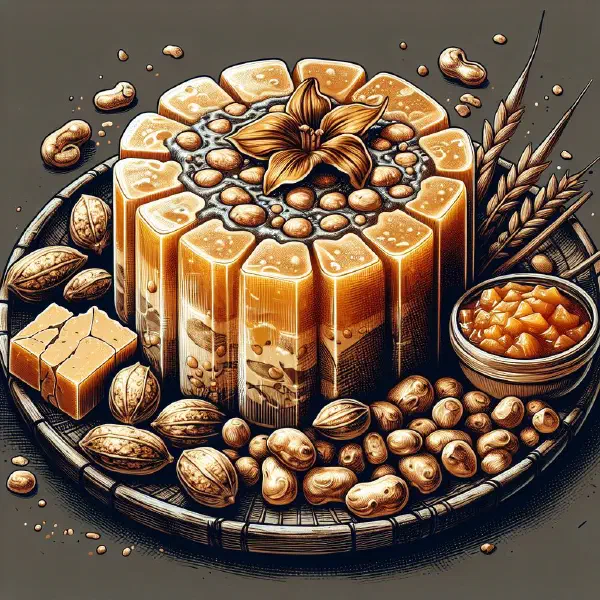
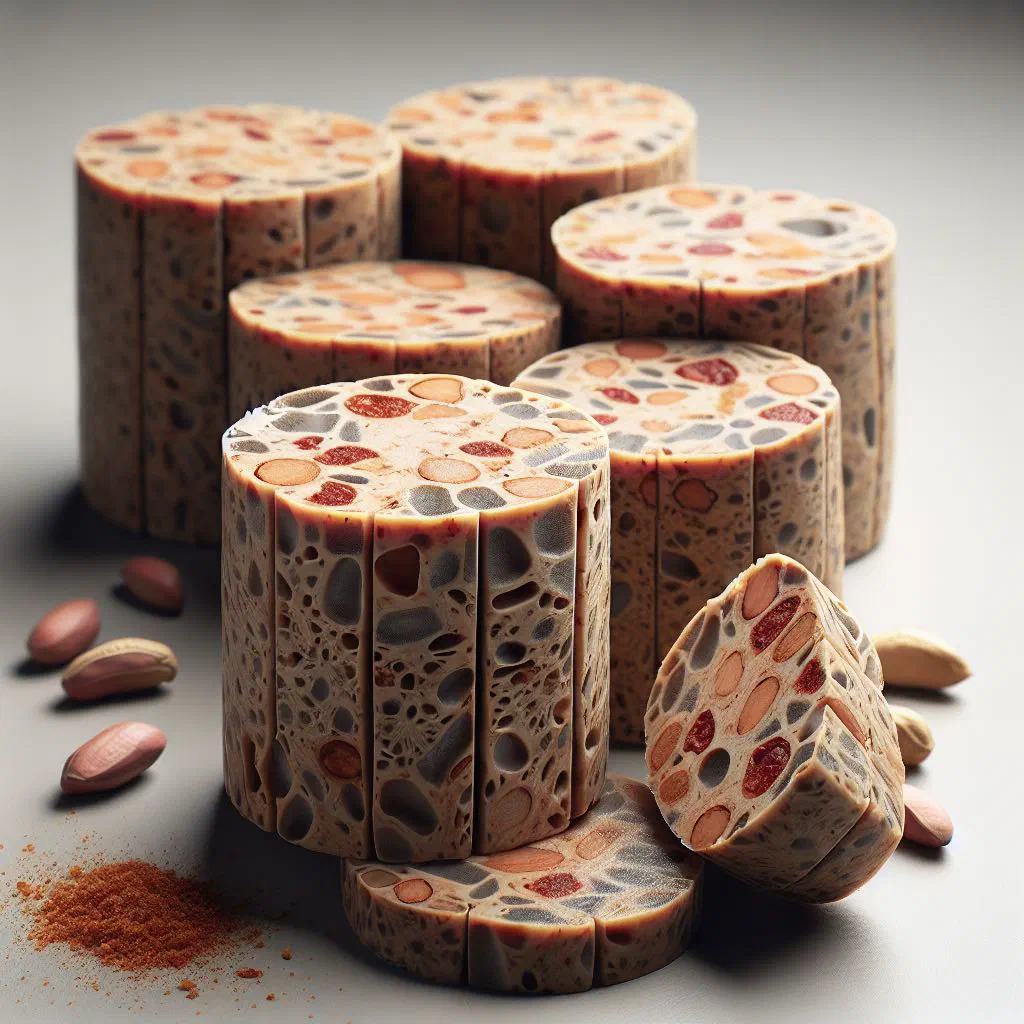
Meet Chikanda, the firm, savoury peanut loaf that Zambians affectionately call African polony. Sliced into neat wedges and served at celebrations, market stalls and family gatherings alike, it packs an astonishing amount of flavour into a handful of humble ingredients. It is entirely plant-based, faintly nutty, gently spiced, and utterly moreish. If you have never cooked Zambian food before, this is the perfect place to begin.
About Chikanda
Chikanda, also known as African polony, is a traditional dish from Zambia that embodies the country’s rich culture and deep-rooted culinary traditions. This vegetarian dish is built mainly on cassava flour, groundnuts and a handful of well-chosen spices, which together create a wonderfully distinctive eating experience. Chikanda is often prepared for festive occasions and wins people over with its hearty, sliceable texture and its warm, aromatic depth. It is far more than just a meal: it is a celebration of flavour that has been handed down through many generations.
Ingredients (serves 1–2)
- 250 g cassava flour
- 100 g peanuts, chopped
- 500 ml water
- 1 teaspoon salt
- 2–3 teaspoons spices of your choice (paprika, pepper)
- Fresh herbs, to garnish (optional)
Shopping for the ingredients
When shopping for chikanda, quality really does make a difference. Cassava flour is easy to find in most African and Asian grocery shops, and it is worth checking that the flour is fresh, as this has a direct effect on the finished flavour. The peanuts can be unsalted or roasted according to preference; either way they lend the dish extra crunch and a rounded, nutty taste.
Preparing the dish
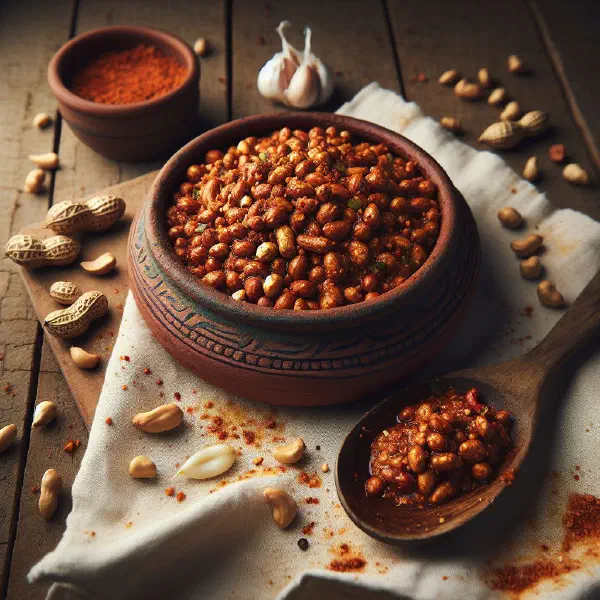
Before you start cooking chikanda, it pays to get everything ready. The cassava flour can be combined in a large bowl with the chopped peanuts, while the water and the spices are measured out separately. Mixing the dry ingredients thoroughly first ensures the whole loaf is evenly seasoned rather than patchy. This bit of groundwork is genuinely the key to a successful result, the same care that goes into a good bowl of Groundnut Relish.
Step-by-step instructions
- Combine the cassava flour, peanuts, salt and spices thoroughly in a large bowl.
- Add the water slowly, stirring constantly, until you have a smooth, homogeneous mixture.
- Press the mixture into a greased tin and smooth the surface flat.
- Steam over a water bath for around 45 minutes, until the mixture has firmed up.
- Leave to cool after steaming, then cut into slices to serve.
Gluten-free / lactose-free version
Chikanda is naturally gluten-free and lactose-free, which makes it an excellent choice for anyone with an intolerance. By choosing your ingredients carefully you can be confident the dish suits every guest at the table. Do make sure to use genuine fresh cassava flour, since many alternative flours contain gluten. That way chikanda remains a healthy and satisfying option for all.
Tips for vegans and vegetarians
This dish is naturally vegan and ideal for vegetarians, as it contains no animal products whatsoever. For extra flavour you can work in additional vegetables such as onions or carrots, sweated off gently beforehand and then stirred through the mixture. It is also well worth experimenting with different spice combinations to draw out the best in the loaf and tailor it to your own palate.
More tips and tricks
To make chikanda even tastier, toast the peanuts before adding them. It intensifies their natural sweetness noticeably. You can also fine-tune the texture by adjusting the amount of water: a little more gives a softer loaf, a little less produces a firmer, more sliceable result. Keep an eye on the steaming time as well, since that is what ultimately decides the perfect consistency.
Adapting the recipe to your taste
Chikanda is remarkably versatile and easy to adapt to personal preference. Add your favourite spices or herbs to explore new flavour directions, or scale the quantities up without difficulty. Just remember to lengthen the steaming time accordingly when making a larger batch. This flexibility is exactly what makes chikanda such a natural choice for gatherings and celebrations, served alongside a plate of Nshima.
Ingredient substitutions
If you dislike peanuts or need to avoid them for allergy reasons, other nuts such as cashews or almonds work well in their place. Cassava flour can likewise be swapped for another gluten-free flour such as rice flour or maize flour. With spices, feel free to try different combinations to uncover new notes and make the recipe genuinely your own, the base formula stays reliable while the character keeps changing.
Drink pairing ideas
Chikanda goes beautifully with a range of African drinks, from hibiscus tea to mango juice, both of which bring a fruity freshness to the plate. A cold, crisp beer is another good match, balancing the richness of the groundnuts. Those who prefer something alcohol-free will find sparkling water with lemon or mint works splendidly, as does a traditional maize-based Munkoyo.
Serving and presentation ideas
Presentation makes a real difference to the chikanda experience. Serve the slices in an attractive bowl or on a wooden board and garnish with fresh herbs or a scattering of toasted nuts. Colourful vegetables or a simple salad on the side make the whole thing look far more inviting. Arranging generous portions on one large platter turns the meal into a properly festive occasion.
A bit of history
Chikanda has a long history in Zambian culture and is regarded as a dish of community, prepared above all for special occasions. It is a symbol of hospitality and togetherness, passed down from one generation to the next. Making chikanda brings families and friends into the kitchen together, keeping the tradition alive through shared work. In that sense it reflects not only a cooking method but a deep cultural value at the heart of Zambian cuisine.
More recipe ideas
Summary: Chikanda
In short, chikanda, or African polony, is not only a delicious dish but a culturally rich one, firmly rooted in Zambian tradition. It brings together easily sourced ingredients and a straightforward method, which makes it equally at home at a celebration and in an ordinary weeknight kitchen. It captures the sense of community and the essence of Zambian life, and offers a delicious way to enjoy a little of that at your own table. Let this recipe inspire you and bring a piece of Zambia to your kitchen.