National Dish Zambia: Chikanda (Recipe)
In this article
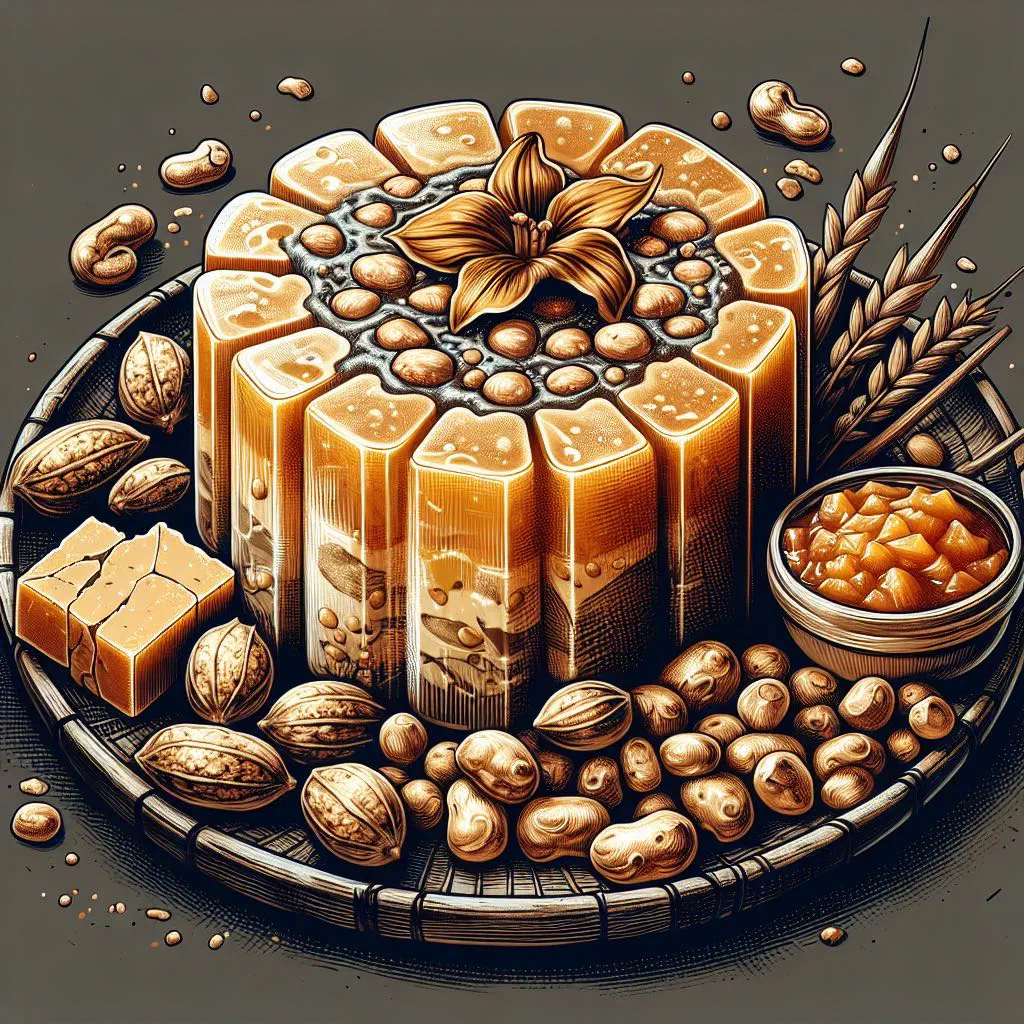
Discover Chikanda, one of Zambia’s most distinctive traditional dishes. Built around the earthy root of the chikanda plant and enriched with groundnuts, it offers a flavour you will not find anywhere else. Nourishing, naturally plant-based and deeply rooted in local custom, it is a wonderful introduction to African home cooking. Bring a taste of Zambian tradition to your own table.
About Chikanda
Chikanda is a traditional dish from Zambia prepared from the tubers of the chikanda plant. This plant, also known simply as a root vegetable, is widely used in Zambian cooking and carries a flavour all of its own. Chikanda is characterised by its firm texture as well as its rich nutritional content. It is often served as a main course or as a side dish, and it is prized for how satisfying and sustaining it is.
Ingredients (serves 1–2)
- 200 g chikanda root (dried or fresh)
- 500 ml water
- 1 onion, chopped
- 2 tomatoes, diced
- 1 red pepper, diced
- Salt and pepper to taste
- 1 tablespoon vegetable oil
Shopping for the ingredients
When shopping for chikanda, you will find many of the ingredients you need in a local supermarket or at a weekly market. Chikanda roots themselves are usually stocked by specialist African or ethnic food shops. Fresh vegetables such as onions and tomatoes are generally available all year round. Do not forget to look for good spices and vegetable oils as well, since they round the dish off nicely, much as they do in a warming Bean And Vegetable Stew.
Preparing the dish
Preparation is an important step with chikanda, as it preserves both the full flavour and the nutrients. Begin by cleaning the chikanda root thoroughly and cutting it into small pieces if it is fresh. Dried root should first be soaked to improve its texture. The vegetables also need to be washed and cut as required before they go into the pot.
Step-by-step instructions
- Pour the vegetable oil into a pan and heat it over a medium heat.
- Add the chopped onion and fry until translucent.
- Add the diced tomatoes and pepper to the pan and cook for a further 5 minutes.
- Add the chikanda root and the water, then bring everything to the boil.
- Reduce the heat and let it simmer for about 20 minutes, until the root is tender.
- Season with salt and pepper and serve hot.
Gluten-free / lactose-free version
A great advantage of chikanda is that it is naturally gluten-free and lactose-free. That makes the dish an excellent choice for anyone with food intolerances. You only need to check that the oil and spices you choose are likewise free from gluten and lactose. Beyond that, you can be confident you are preparing a wholesome and easily digestible meal.
Tips for vegans and vegetarians
For vegans and vegetarians, chikanda is an outstanding choice, packed as it is with nutrients. The recipe adapts easily: simply leave out any animal products and rely on plant-based oils and stocks. For extra depth, add herbs and spices of the kind that feature so often in vegan cooking.
More tips and tricks
A few tips and tricks to refine your chikanda: use the freshest ingredients you can find for the best possible flavour. If you like, a plant-based egg substitute will give the dish an even creamier consistency. Adding nuts or seeds lends an interesting texture along with extra nourishment, the same trick that works so well in Groundnut Relish. With these small adjustments you can shape the dish exactly to your taste.
Adapting the recipe to your taste
Adapting the chikanda recipe is straightforward. Depending on what you prefer, you can use different vegetables or add extra spices to vary the flavour. Playing with the ingredients lets you tailor the dish to your own preferences entirely.
Ingredient substitutions
If you do not have every ingredient to hand, there are several alternatives you can turn to. Instead of chikanda root, for instance, you might use another root vegetable such as sweet potato, as in Roasted Sweet Potatoes. If onions are unavailable, shallots or leeks will bring their own welcome flavour. Think about which ingredients you enjoy most and swap out the less favoured ones for something similar.
Drink pairing ideas
A dish as tasty as chikanda goes particularly well with African drinks or fresh juices. A wholesome hibiscus tea or a fruity mango lemonade complements the flavours beautifully, and a fermented cereal drink such as Maheu is the local favourite. For those who want to enjoy it the way a Zambian would, a light regional beer is a fitting choice. It is a good idea to offer guests a few options so everyone can pick their favourite.
Serving and presentation ideas
The presentation of your chikanda can do a great deal to improve the eating experience. Serve the dish in a handsome, colourful bowl and garnish it with fresh herbs or bright pieces of vegetable. Adding edible flowers creates further visual appeal. Remember that we eat with our eyes first, so take the time to make the dish look inviting.
A bit of history
Chikanda has a history in Zambian culture and forms part of a traditional cuisine passed down from one generation to the next. It is often served at special occasions or festivals, where it stands for community and celebration. Preparing it calls for skill and a knowledge of the right technique, which makes it a genuinely valuable inheritance. The root itself is harvested both commercially and traditionally across many regions, and it remains a cornerstone of Zambian cuisine.
More recipe ideas
Summary: Chikanda
In short, chikanda is a delicious and nourishing dish from Zambia that is easy to prepare and simple to adapt. The combination of vegetarian ingredients and the ease of making it without gluten or lactose makes it an ideal choice for a wide range of dietary needs. With a few simple adjustments you can bring your own personal style to this traditional dish. Enjoy the harmonious flavours chikanda has to offer and discover the culture of Zambia on your plate.