National Dish Zambia: Kapenta (Recipe)
In this article
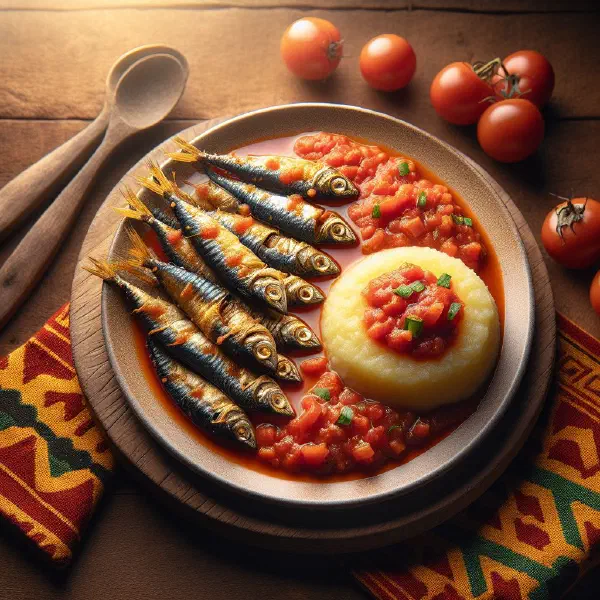
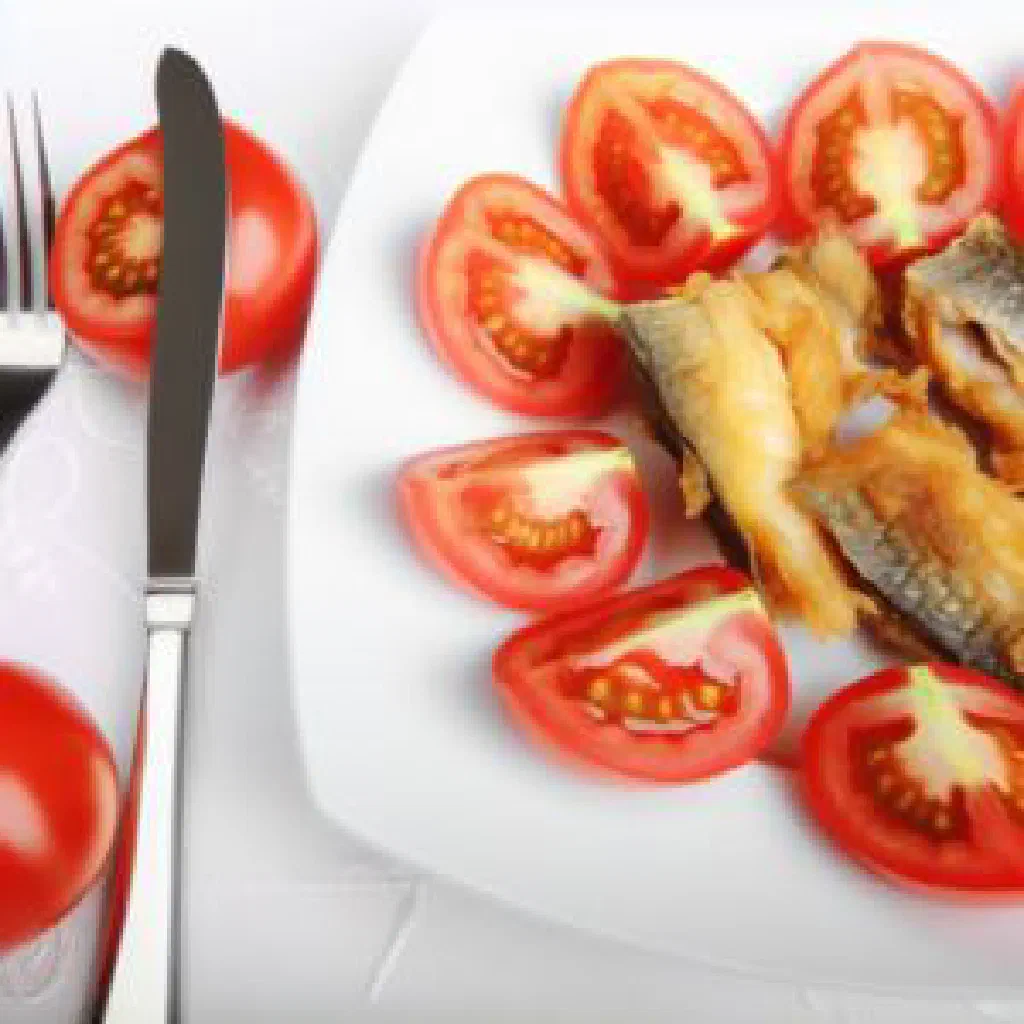
Discover Kapenta, the small salted fish that Zambia has built an entire culinary tradition around. Fried until crisp and golden, then simmered briefly with onions and tomatoes, these tiny fish deliver a savoury, deeply satisfying punch that belies their size. Served alongside a soft mound of maize porridge, kapenta is everyday sustenance and national pride on the same plate, a genuine taste of Zambian home cooking.
About Kapenta
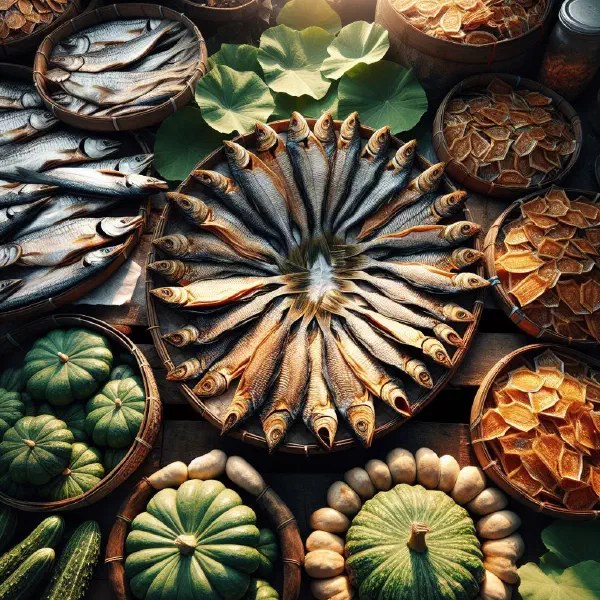
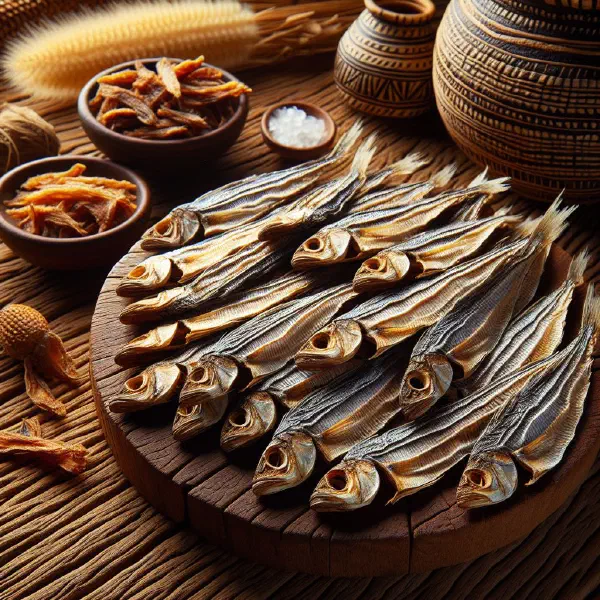
Kapenta are small, salted fish native to the waters of Zambia, where they count as a true staple food. They are most often sun-dried, which makes them keep well and gives them enormous versatility in the Zambian kitchen. Their distinctive savoury flavour and crisp texture make kapenta a real treat, and they come into their own alongside Ngoma, the traditional maize porridge closely related to Nshima. Together they form one of the most recognisable pairings on any Zambian table.
Ingredients (serves 1–2)
- 200g kapenta
- 2 tablespoons vegetable oil
- 1 onion, diced
- 2 tomatoes, diced
- Salt and pepper to taste
- 1 teaspoon paprika (optional)
Shopping for the ingredients
When shopping for kapenta, it pays to choose good-quality, fresh produce. Many supermarkets and African or Asian grocers stock dried kapenta, while the remaining ingredients, onions, tomatoes and basic spices, are easy to find anywhere. If you can get hold of freshly dried fish rather than older stock, do so: the flavour is noticeably better. Online shops specialising in Zambian and African foods are a reliable alternative, and they often carry the closely related Chisense as well.
Preparing the dish
Before you start cooking, it is important to rinse the fish thoroughly to wash away excess salt and any loose debris. Once rinsed, let them drain properly, and if the fish are on the larger side, cut them in half so they cook evenly. Meanwhile, prepare the onions and tomatoes by dicing them ready for the pan. Good preparation keeps the cooking process smooth and gives you a far better final result.
Step-by-step instructions
- Heat the vegetable oil in a frying pan.
- Add the onions and fry until golden brown.
- Add the rinsed kapenta and fry for about 5 minutes, until crisp.
- Stir in the tomatoes and spices and mix everything well.
- Let the mixture simmer for a further 2–3 minutes, until the tomatoes have softened.
- Season with salt and pepper and serve hot.
Gluten-free / lactose-free version
Kapenta is naturally gluten-free and lactose-free, since it relies on nothing more than fish and simple fresh ingredients. That makes it an excellent choice for anyone with an intolerance to either. Do check that the spices and oils you use are also certified gluten-free, so the dish stays suitable from start to finish. Wholesome and full of flavour, kapenta suits almost every dietary pattern without any modification at all.
Tips for vegans and vegetarians
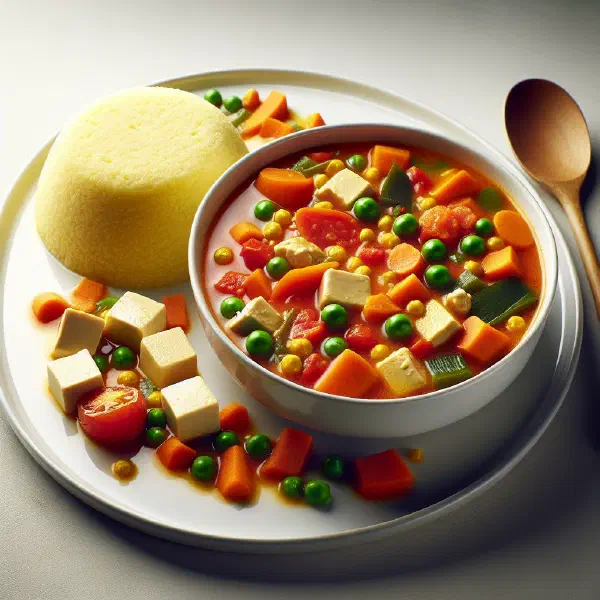
Although kapenta is traditionally made with fish, there are convincing vegan and vegetarian versions worth trying. Tofu or aubergine stand in well, offering a similar contrast between crisp exterior and tender interior. The spices and cooking method need barely any adjustment to deliver the same savoury depth. Pan-fried tofu with tomatoes makes a nourishing plant-based alternative, as does a hearty Eggplant Stew cooked in the same style.
More tips and tricks
There are a few useful tips for making kapenta taste even better. Experiment with additional spices such as cumin or garlic powder to build extra layers of flavour. Marinating the fish briefly before frying also intensifies the taste noticeably. Above all, make sure the pan is properly hot before the fish go in. That is what gives kapenta its prized crispness rather than a soft, steamed texture.
Adapting the recipe to your taste
The kapenta recipe is easy to adjust to personal preference by varying the vegetables and spice combinations. Some cooks like it considerably hotter, in which case a pinch of chilli flakes is the simplest way to turn up the heat. The accompaniment can change too, Ngoma is the classic partner, but rice or quinoa also work nicely, as does a spoonful of Kapenta Stew style sauce. Let your own palate guide you.
Ingredient substitutions
Several ingredients in this recipe can be swapped without any loss of quality. Spring onions in place of ordinary onions bring a fresher, milder note to the pan. Olive oil can replace the vegetable oil if you prefer a lighter, healthier option. And when fresh tomatoes are out of season or simply unavailable, tinned tomatoes are a thoroughly practical substitute that still gives the dish its characteristic body.
Drink pairing ideas
A number of drinks go beautifully with a plate of kapenta. A cold beer is the popular local choice, its crispness balancing the salty, savoury fish perfectly. Alternatively, a light white wine such as Sauvignon Blanc complements the flavour combination without overwhelming it. For an alcohol-free option, freshly squeezed lemon juice topped up with sparkling water is refreshing and cuts through the richness of the fried fish.
Serving and presentation ideas
To present kapenta attractively, arrange it on a large platter and garnish with fresh herbs. A colourful side of steamed vegetables or a crisp salad rounds the meal out nicely, and something like Vegetable Stew With Nshima turns it into a generous spread. The contrast of pale porridge, golden fish and red tomatoes is naturally striking, so the dish looks as good as it tastes. Take a moment over the plating. It makes the whole meal feel like an occasion.
A bit of history
Kapenta has a long history in Zambian culture and is bound up closely with the daily life of local communities. These small fish were traditionally caught in the waters of the Zambezi and served as a food source and as a valuable trading commodity. Catching and preparing kapenta remains an important part of the culinary traditions of Zambian cuisine, and the dish frequently appears at celebrations and family gatherings. The cooking methods have been passed down across generations and are now a fixed part of Zambian identity.
More recipe ideas
Summary: Kapenta
Kapenta is delicious and a genuine cultural highlight of Zambian cooking. These little fish are remarkably versatile, both in how they are prepared and in what they are served with. Their place in everyday life and their unmistakable savoury flavour make kapenta an indispensable component of Zambian food culture. Give this dish a try and enjoy the flavours that the Zambian kitchen has to offer.