National Dish Zambia: Kapenta with Tomatoes (Recipe)
In this article
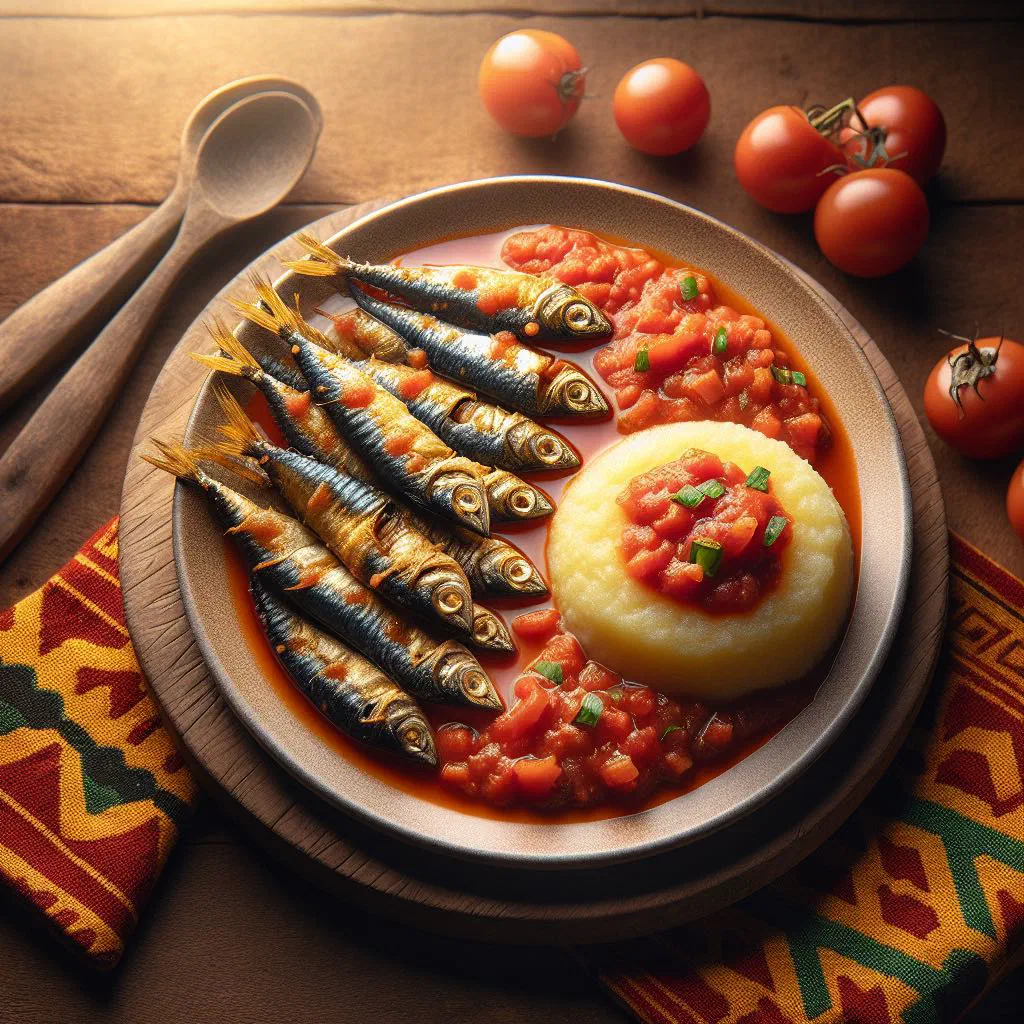
Meet Kapenta with Tomatoes, a Zambian staple that turns a handful of tiny dried fish into something genuinely memorable. Small silvery kapenta meet ripe tomatoes, onion and garlic in a single pan, and within minutes you have a savoury, deeply nourishing dish that feeds a whole family. It is quick, thrifty and packed with flavour, everyday cooking at its most satisfying, straight from the shores of Zambia’s great lakes and rivers.
About Kapenta with Tomatoes
Kapenta with tomatoes is one of the most intriguing dishes in the Zambian kitchen. The pairing of small, dried fish with fresh tomatoes brings the country’s characteristic flavours to the table and offers a real insight into its culinary tradition. Kapenta is tasty and rich in nutrients, which makes it an excellent choice for a healthy diet. Kapenta with tomatoes is a genuine highlight of any meal.
Ingredients (serves 1–2)
- 100 g kapenta (small dried fish)
- 2 large tomatoes
- 1 onion
- 1 green pepper
- 2 cloves of garlic
- 1 tablespoon oil (sunflower oil works well)
- Salt and pepper to taste
- Optional: fresh herbs, to garnish
Shopping for the ingredients
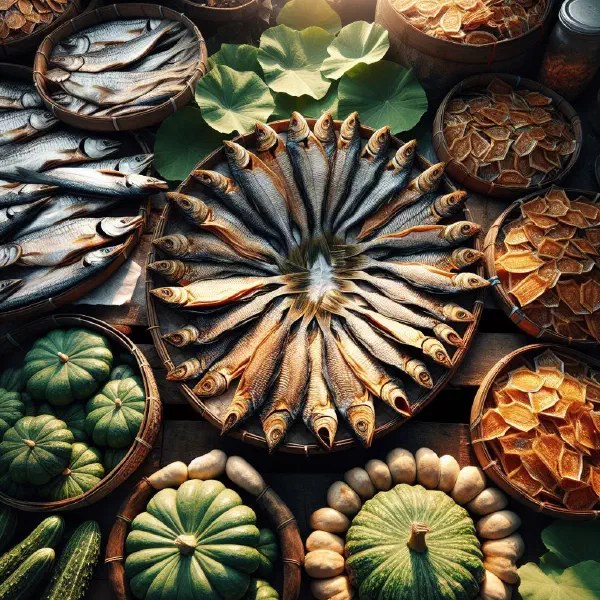
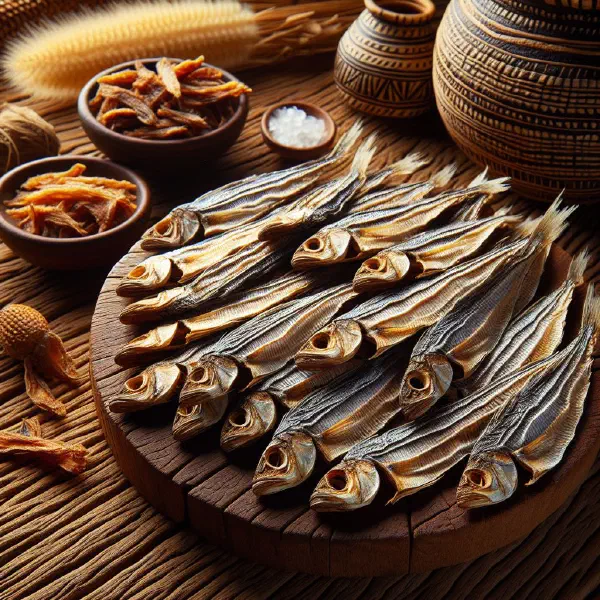
When shopping for kapenta with tomatoes, it pays to pick fresh, good-quality produce. You will find kapenta in well-stocked African or Asian grocery shops, sometimes sold under other local names. Check that the fish are properly dry and well preserved, with no damp or musty smell. For the tomatoes, choose ripe, juicy specimens. They carry the sauce and round off the flavour of the whole dish.
Preparing the dish
Preparing kapenta with tomatoes is quick and straightforward. Begin by dicing the tomatoes, the onion and the green pepper into small, even pieces. The garlic should be finely chopped as well. Good preparation keeps the cooking itself running smoothly, because the ingredients come together in the pan in rapid succession and need very little time on the heat.
Step-by-step instructions
- Heat the oil in a frying pan over a medium heat.
- Add the chopped onion and garlic and fry until golden brown.
- Stir in the diced pepper and let it cook for a few minutes.
- Add the kapenta and fry briefly so the fish take on a little colour.
- Finally add the diced tomatoes and let everything simmer for about 5–7 minutes, until the tomatoes have softened.
- Season with salt and pepper and garnish with fresh herbs if you like.
Gluten-free / lactose-free version
Kapenta with tomatoes is naturally gluten-free and lactose-free. The main ingredients are dried fish and fresh vegetables, neither of which contains gluten or dairy. You can therefore enjoy the recipe without any concern if you live with these intolerances. Just take care that no additional gluten-containing product, a thickener or a seasoning blend, for instance, finds its way into the pan.
Tips for vegans and vegetarians
For vegans and vegetarians, kapenta with tomatoes can be adapted in some interesting ways. In place of the fish, try tofu or soya chunks to achieve a comparable texture and bite. These alternatives let you shape the dish to your own preferences while still enjoying the rich tomato sauce and the aromatic seasoning. Experiment with different vegetables, too, to boost the nutritional value even further.
More tips and tricks
A few small tricks can make this dish even tastier. After dicing the tomatoes, let them drain briefly in a sieve to remove excess liquid before they go into the pan. You can also add a little chilli or cayenne pepper for a spicier edge. And do not forget to finish the dish with fresh herbs such as parsley or coriander. They add both colour and a welcome lift of freshness.
Adapting the recipe to your taste
The recipe for kapenta with tomatoes is easy to tailor to personal preference. If you enjoy trying new ingredients, add other vegetables such as courgette or aubergine. The quantity of seasoning can be varied to suit your own palate as well, experiment with different herbs and spices until you find the balance that is perfect for you.
Ingredient substitutions
If you do not have everything to hand, there are several alternatives to fall back on. Instead of kapenta you can use other dried fish or seafood, such as prawns or small sardines, the same principle behind Chisense. In place of fresh tomatoes, a tin of chopped tomatoes makes the dish even simpler to put together. For an extra depth of flavour, stir in a spoonful of tomato purée.
Drink pairing ideas
A number of drinks go well with kapenta with tomatoes and complement it nicely. A cold, refreshing beer is a popular choice, as it brings out the savoury notes of the fish. Alternatively, serve a light white wine or a fruity non-alcoholic cocktail such as lemonade with mint. Try a few different combinations to find the perfect partner for your meal.
Serving and presentation ideas
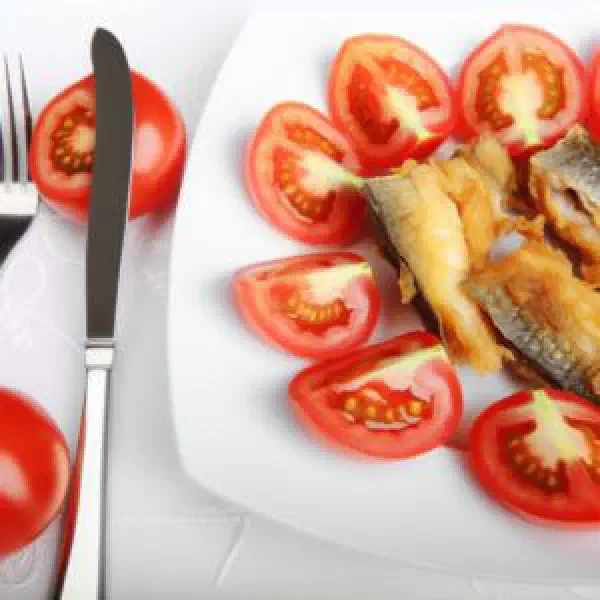
To present kapenta with tomatoes attractively, arrange it on a large plate or in a shallow serving bowl. Garnish with fresh herbs and perhaps a few lemon wedges at the side for a pleasing contrast. The colours of the ripe tomatoes and the other vegetables make the dish look wonderfully appetising, and a crisp Tomato and Onion Salad alongside rounds out the table. Careful presentation turns the meal into a special occasion for family and guests alike.
A bit of history
Kapenta has its roots in traditional Zambian cooking and remains an essential part of the regional diet. The small dried fish are caught in Zambia’s rivers and lakes, and they are nutritious and keep exceptionally well without refrigeration. The dish reflects the culture and way of life of people who draw on the natural resources around them. Cooking kapenta with tomatoes helps keep alive a historic, and genuinely healthy, food culture that runs right through Zambian cuisine.
More recipe ideas
Summary: Kapenta with Tomatoes
Kapenta with tomatoes is a delicious and nourishing dish that brings the tradition and culture of Zambia vividly to life. Its simple preparation and the ease with which it can be adapted to personal taste make it ideal for any occasion. With its rich flavours and genuine health benefits, it is sure to win over anyone who appreciates good food. Give this dish a try and discover the unmistakable taste of Zambia.