National Dish Zambia: Maize Porridge (Recipe)
In this article
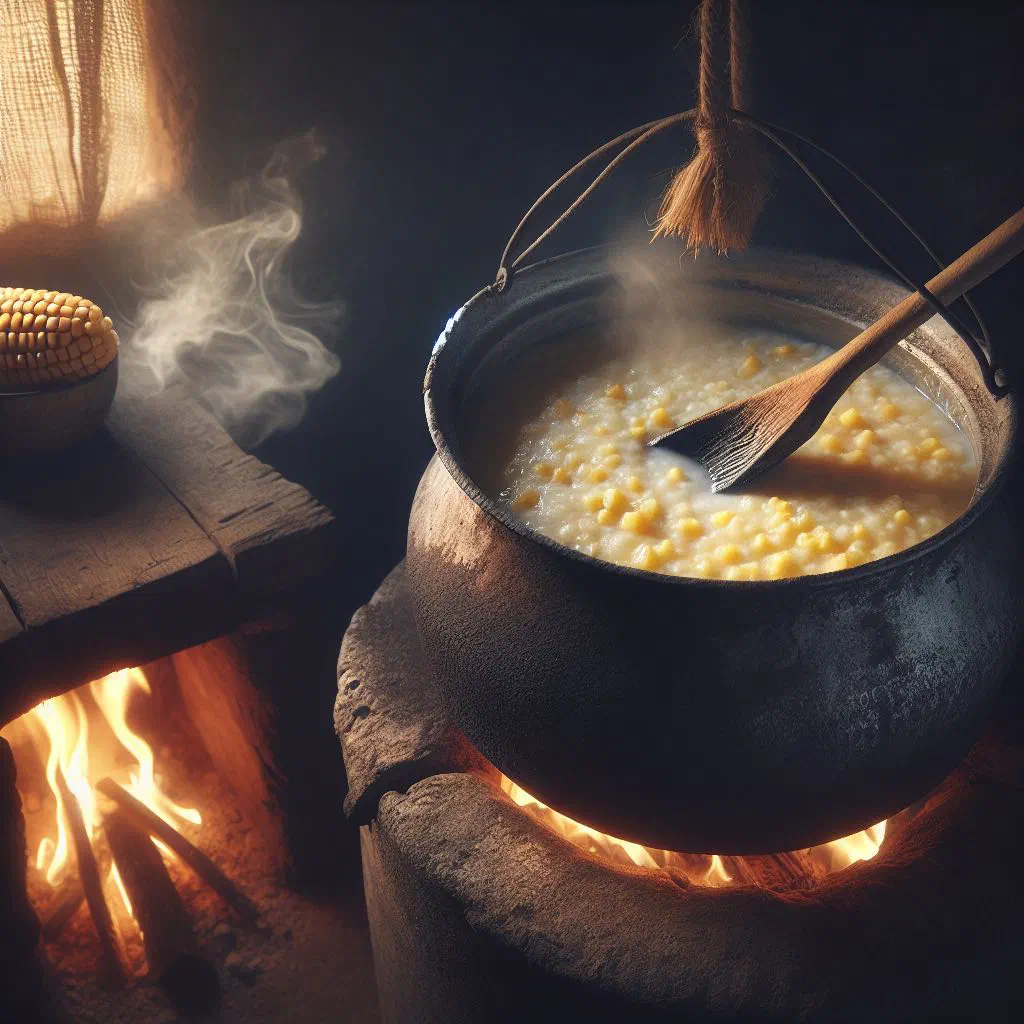
Few dishes say “home” in Zambia quite like a steaming bowl of Maize Porridge. Made from nothing more than finely ground maize meal, water and a pinch of salt, it is the kind of honest cooking that has fed families for generations. Smooth, warming and endlessly adaptable, it works as a gentle breakfast sweetened with honey or as a savoury base for a hearty evening meal. Simple ingredients, patient stirring and a little care are all you need.
About Maize Porridge
Maize Porridge is one of Zambia’s best-loved everyday dishes, made from ground maize meal and passed down through generations. Straightforward yet genuinely nourishing, it sits at the very centre of the country’s cooking and is widely regarded as a staple food, for many Zambian households it appears on the table daily. Its great strength is versatility: it can be served sweet at breakfast, or as a mild, comforting accompaniment to richly flavoured stews at dinner.
Ingredients (serves 1–2)
- 1 cup maize meal
- 4 cups water
- A pinch of salt
- (Optional) sugar or honey, to taste
Shopping for the ingredients
The ingredients for maize porridge are easy to find in most supermarkets or at a local market. It is worth choosing good-quality maize meal, as the grade of the flour has a direct effect on both flavour and texture. In an international or African grocery you will often find several varieties with different degrees of fineness. As a rule, the finer the meal, the creamier the finished porridge.
Preparing the dish
Getting ready for maize porridge is refreshingly quick. Begin by measuring out everything you need and clearing a little space at the hob. Make sure you have a roomy saucepan to hand for the water and the maize meal. If you plan to serve the porridge as a savoury meal, this is also a good moment to prepare a relish or side, a spoonful of Groundnut Relish alongside turns a simple bowl into a complete dinner.
Step-by-step instructions
- Bring the water to the boil in a large saucepan.
- Tip the maize meal into a small bowl and add a little cold water, stirring to form a smooth paste.
- Add the salt to the paste and mix thoroughly.
- Pour the paste slowly into the boiling water, stirring constantly to prevent lumps forming.
- Let the porridge simmer over low heat for about 15–20 minutes, until it reaches the consistency you want.
- Sweeten with sugar or honey if you like, and stir well.
- Spoon into bowls and garnish to taste.
Gluten-free / lactose-free version
Maize porridge is naturally gluten-free, since maize meal forms its entire base. It is equally suitable for anyone who is lactose intolerant, as no dairy is involved at all. That makes it an excellent choice for people who need to avoid either of these ingredients. For extra variety, consider plant-based sweeteners or toppings rather than dairy-based ones.
Tips for vegans and vegetarians
For vegans and vegetarians, maize porridge is an ideal dish. It is entirely plant-based as written. You can vary the flavour by cooking or finishing it with a plant milk, or by loosening it with a little fruit juice. Bananas and berries make wholesome toppings, and natural sweeteners such as agave syrup or date syrup are a good way to round the dish off without reaching for refined sugar.
More tips and tricks
A few small habits make all the difference to maize porridge. Spices such as cinnamon or nutmeg lend the sweet version an intriguing warmth, while stirring through nuts or seeds adds welcome texture. Most important of all: keep stirring constantly while it cooks. That is the single reliable way to achieve a creamy consistency and avoid lumps.
Adapting the recipe to your taste
The scope for adapting maize porridge is close to endless. You might switch the type of maize meal, or use toasted maize meal for a deeper, nuttier aroma. Adjust the sweetness to your liking, and let your choice of toppings give the bowl a personal signature, fresh fruit, chopped nuts, even a little grated chocolate all work beautifully. For a savoury turn, serve it as you would Nshima, with a vegetable relish on the side.
Ingredient substitutions
If you do not have the maize meal the recipe calls for, other flours will step in happily, rice flour or millet flour, for example, depending on your dietary needs or preferences. If millet appeals, it is worth trying a proper Millet Porridge too. The liquid can be varied as well: plant milk in place of water gives a richer result. Do bear in mind that cooking times and final texture shift slightly with each substitution, so be ready to adjust as you go.
Drink pairing ideas
Plenty of drinks suit maize porridge, depending on the hour and the occasion. A cup of freshly brewed tea or coffee is the classic breakfast partner. For something more refreshing, serve a fruit smoothie or a glass of freshly pressed juice. If you want a genuinely Zambian pairing, a glass of lightly fermented Maheu is hard to beat, while a lightly sweetened ginger tea rounds off the maize flavours nicely.
Serving and presentation ideas
Attractive bowls or plates go a long way towards making maize porridge look as good as it tastes. Garnish with fresh fruit or nuts to add visual as well as culinary appeal. A drizzle of honey or syrup across the surface improves both the sweetness and the appearance. Setting out a small dish of extra toppings alongside invites everyone at the table to be a little creative and build the bowl they fancy.
A bit of history
The roots of maize porridge run deep into Zambian culture, where maize is by far the most important crop. Across much of Africa, maize is a symbol of sustenance and food security. Porridge is traditionally served on all manner of occasions, since offering it is understood as a gesture of hospitality. For Zambian families it also signals community and a lasting respect for simple, nutritious food, values that shine throughout Zambian cuisine, from everyday porridge to a celebratory Vegetable Stew with Nshima.
More recipe ideas
Summary: Maize Porridge
All told, maize porridge is a delicious and genuinely nourishing dish, firmly anchored in Zambian culture. Its simple ingredients and versatile preparation make it a fine choice for almost any occasion, morning or evening. With a wide range of toppings and side dishes to hand, every spoonful can be a little different from the last. Give it a try today and discover the warm, comforting flavours of Zambia.