National Dish Zambia: Mufushwa (Recipe)
In this article
Discover Mufushwa, a hearty Zambian classic that turns humble store-cupboard staples into a feast. Dried, cured meat is slowly coaxed back to life in a fragrant pot of onions, carrots, peppers and tomatoes until every mouthful is deep and savoury. It is the kind of dish that fills a kitchen with warmth and draws everyone to the table, whether you are cooking for a celebration or simply for a quiet evening at home.
About Mufushwa
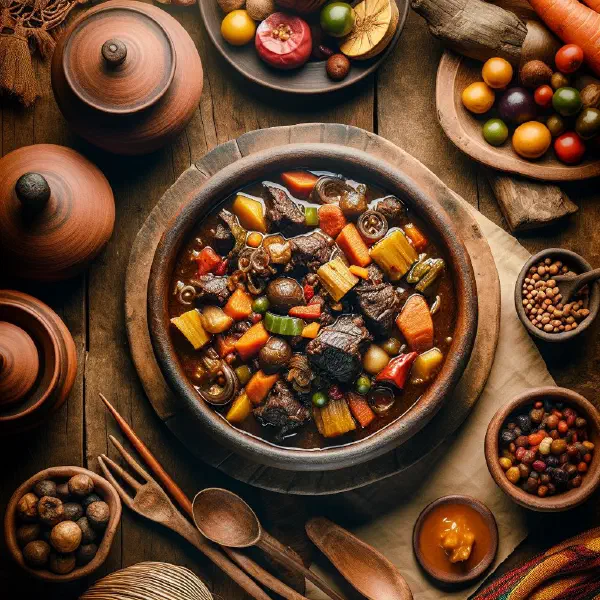
Mufushwa is a traditional Zambian dish that captures the very essence of the country’s home cooking. It brings together dried and cured pieces of meat with a generous mix of aromatic vegetables, a combination that delivers an intense, savoury flavour capable of winning over even the most demanding palate. Mufushwa is more than a festive meal: it is a treasured part of Zambian heritage, and it appears again and again at celebrations and family gatherings.
Ingredients (serves 1–2)
- 200 g dried, cured meat (beef or goat, for example)
- 1 onion, diced
- 2 carrots, sliced
- 1 pepper, diced
- 2 tomatoes, diced
- 1 clove of garlic, chopped
- 1 teaspoon paprika powder
- Salt and pepper to taste
- 2 tablespoons oil for frying
- Water as needed
Shopping for the ingredients
When shopping for mufushwa, make a point of choosing good-quality dried meat that has been well seasoned. Many regional markets and African or Asian grocers stock a wide selection of cured meats, much like the cuts used for Biltong. For the fresh ingredients, head to a local market stall or a reliable supermarket to guarantee freshness and quality. A good spread of vegetables matters here, as it is what maximises both the flavour and the nutritional value of the finished dish.
Preparing the dish
Before you start cooking mufushwa, take the time to prepare everything properly. Wash and cut the vegetables into evenly sized pieces so they cook at the same rate. The dried meat should be torn or cut into small pieces, which speeds up cooking and helps the flavours develop. It is also worth soaking the meat in water beforehand: this softens it and draws out any excess salt.
Step-by-step instructions
- Heat the oil in a large pot and fry the onion until translucent.
- Add the dried meat and brown it for about 5 minutes, until it takes on a golden colour.
- Stir in the vegetables (carrots, pepper, tomatoes and garlic) and mix well.
- Season with paprika powder, salt and pepper and fry for a further 2–3 minutes.
- Pour in enough water to almost cover the meat and vegetables, then simmer over a low heat for 30–40 minutes.
- Stir occasionally and top up with water as needed to stop anything catching on the base.
- Serve the mufushwa hot, ideally with a side of millet or rice.
Gluten-free / lactose-free version
Mufushwa is naturally gluten-free and lactose-free, which makes it an excellent choice for anyone with particular dietary needs. All you need to do is check that none of your ingredients contain gluten-based additives. Use a certified gluten-free paprika powder, for instance, and read the labels on any packaged products to be completely sure.
Tips for vegans and vegetarians
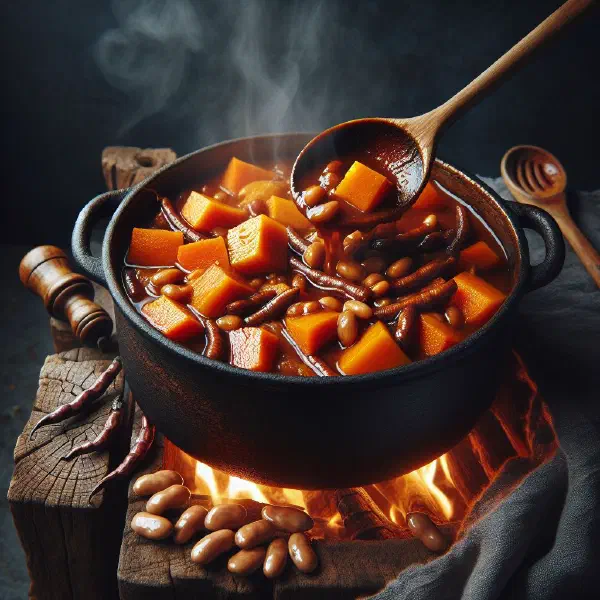
There are plenty of ways to adapt mufushwa for vegans and vegetarians while keeping the same depth of flavour. Instead of dried meat, try dried mushrooms or tofu, both of which soak up the spices and the cooking liquid beautifully. It is worth experimenting with different vegetables and perhaps some pulses too, to boost the protein content and keep the dish nourishing, the same approach that works so well in a Bean And Vegetable Stew.
More tips and tricks
To intensify the aroma of mufushwa, add extra spices such as chilli or ginger. Marinating the meat before cooking also pays dividends: leave it to steep for several hours in a mixture of spices and oil before it goes into the pot. Finally, cooking in a steamer is another way to preserve the aromas and keep the dish especially succulent.
Adapting the recipe to your taste
The mufushwa recipe is remarkably easy to tailor to personal preference. If you like things hotter, simply add more paprika or a few fresh chillies. The vegetables can be varied according to the season or whatever is available, which keeps the flavour fresh and lively. You can also increase the amount of liquid for a thicker, more velvety consistency if that is what you are after. Have fun experimenting with different flavour combinations.
Ingredient substitutions
If you do not have dried meat to hand, frozen or fresh meat works perfectly well instead. The vegetables are just as flexible: pick seasonal or regional alternatives as they come along. If peppers are not to your liking, aubergines or courgettes make a fine replacement, much as they do in an Eggplant Stew. This adaptability is what makes mufushwa a dish everyone can enjoy. Simply follow your own tastes and experiment.
Drink pairing ideas
Mufushwa goes best with African beers or a light, fruity white wine. Non-alcoholic options such as fresh sugarcane juice or a fruity lemonade make an equally refreshing accompaniment to this hearty dish. Choose drinks that complement the flavours of the food rather than overwhelming them, and the whole meal becomes richer both on the palate and on the table.
Serving and presentation ideas
Presentation can make all the difference to how mufushwa is received. Serve it in a large bowl garnished with fresh herbs to add colour and a sense of freshness. Attractive serving dishes lift the food and make the whole plate look far more inviting. Pair it with colourful sides such as a Cabbage Salad or rice to create a varied and appetising spread.
A bit of history
Mufushwa has its roots in Zambian culture, where preserving meat by drying and curing is an age-old tradition. The method was originally used to make meat last for long stretches of time, something that was essential in earlier eras. Today mufushwa is a much-loved dish prepared in households across the country and served at special occasions, and it remains one of the cornerstones of Zambian cuisine and its distinctive flavour identity.
More recipe ideas
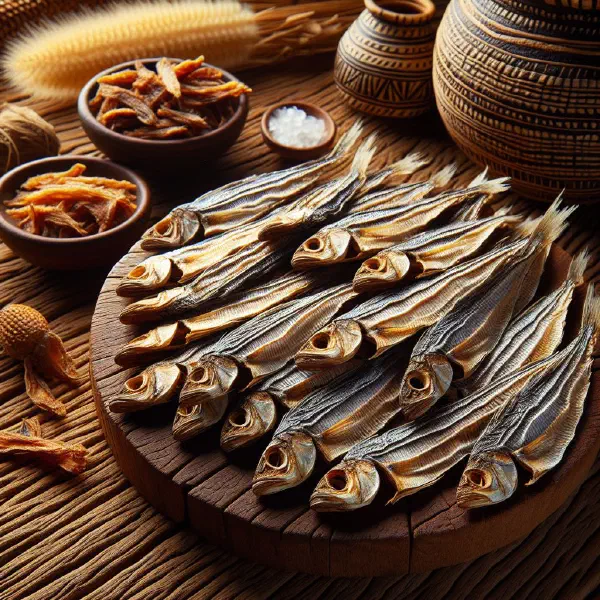
- Kapenta — small dried fish in tomato sauce
- Nshima — the traditional maize staple
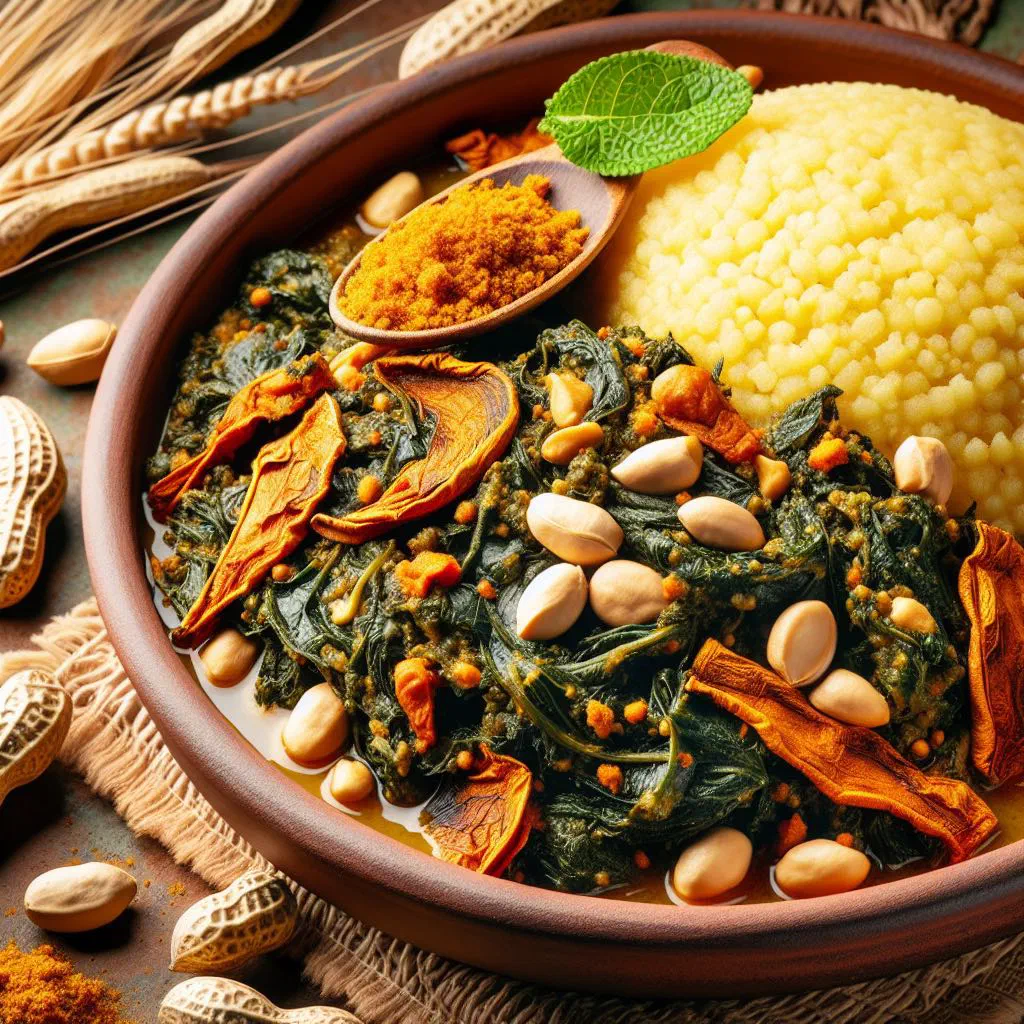
- Chikanda — a peanut and tapioca cake
- Zambian Beef Stew — a rich stew of local vegetables and meat
Summary: Mufushwa
Mufushwa is far more than just a meal; it is a piece of Zambian culture served on a plate. The combination of dried, cured meat and freshly fried vegetables makes for a hearty and deeply flavourful experience. Whether for a festive gathering or a relaxed dinner at home, mufushwa can be adjusted to suit all kinds of tastes and offers no end of possibilities. Follow this guide and discover Zambian cooking in a whole new way.