National Dish Zambia: Sautéed Collard Greens (Recipe)
In this article
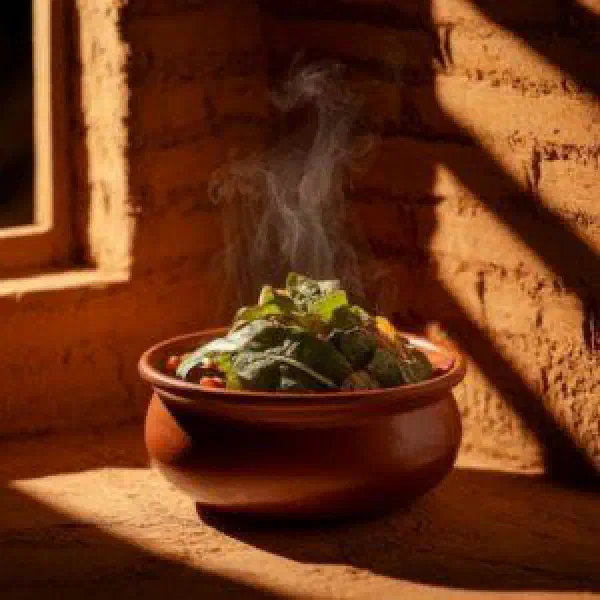
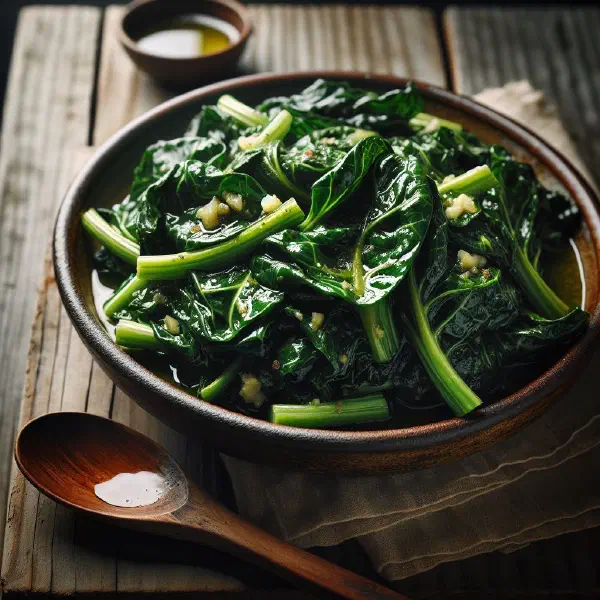
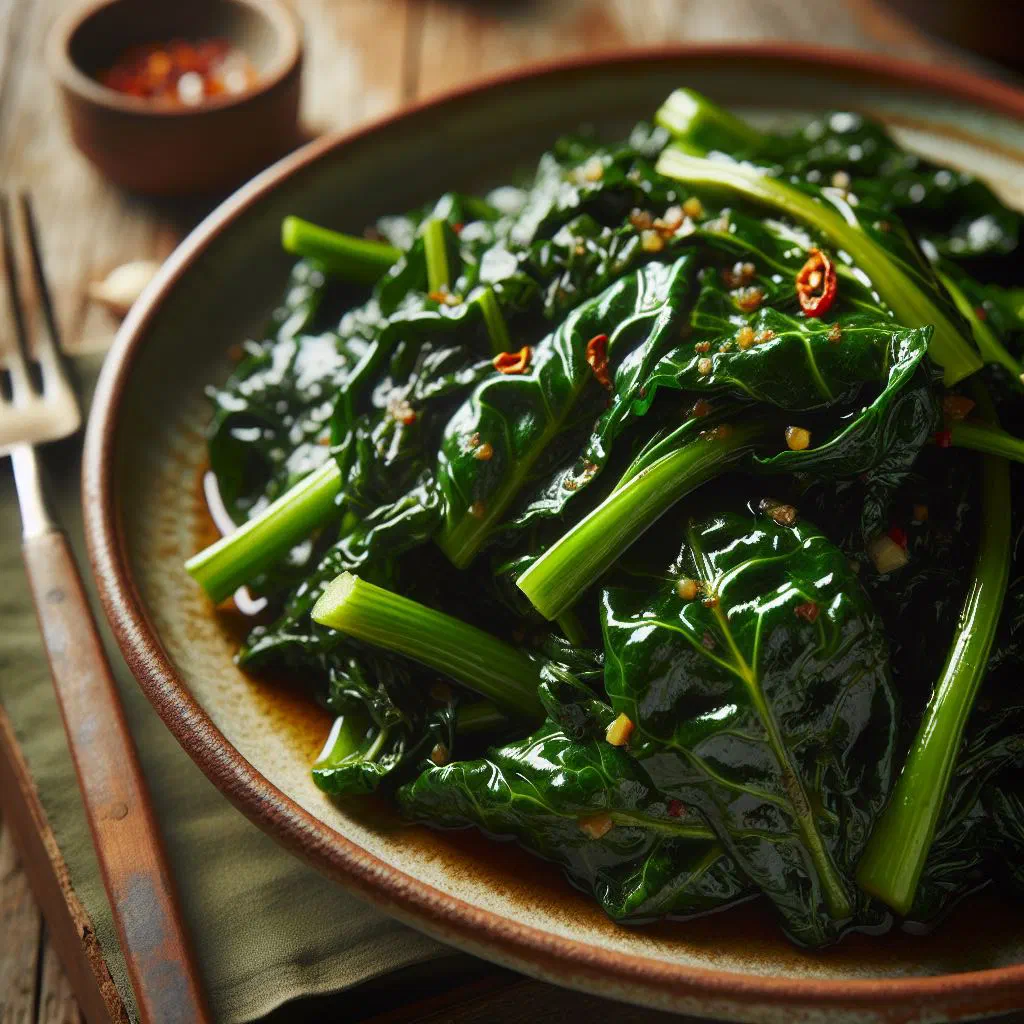
Discover Sautéed Collard Greens, a bright, wholesome staple of the Zambian kitchen. Tender leafy greens are tossed in hot oil with sweet onion, plenty of garlic and a warm pinch of chilli until they wilt into something deeply savoury. It takes barely fifteen minutes from board to bowl, costs very little, and tastes every bit as good as it is good for you.
About Sautéed Collard Greens
Sautéed Collard Greens is a traditional Zambian dish that is as nourishing as it is flavourful. At its heart are fresh green leafy vegetables, sautéed in a fragrant, well-seasoned base of onion, garlic and spice. In Zambia these greens are part of everyday eating, usually served alongside other staples to build a balanced, satisfying meal, most often with a scoop of Nshima. The method is straightforward and quick, which makes the dish ideal for cooks of every level.
Ingredients (serves 1–2)
- 200 g collard greens or kale
- 1 onion, chopped
- 2 cloves of garlic, finely chopped
- 2 tablespoons olive oil or groundnut oil
- 1 teaspoon chilli or paprika powder
- Salt and pepper to taste
Shopping for the ingredients
Before you start on sautéed collard greens, gather everything you need. Most of these ingredients are easy to find in a well-stocked supermarket or at a weekly market. Look for fresh, crisp leaves in particular when buying the collard greens. A good greengrocer often has the freshest options, and where possible choose organic produce for the best flavour and nutritional value.
Preparing the dish
Preparation is refreshingly uncomplicated. Begin by washing the collard greens thoroughly and removing the tough stems, which can be stringy. Cut the leaves into bite-sized pieces and set them aside. Then chop the onion and garlic, always better freshly prepared, as they give the dish a much more intense aroma. Careful prep makes a real difference to the finished flavour, so take your time and get everything ready before the pan goes on.
Step-by-step instructions
- Heat the olive oil in a large pan over a medium heat.
- Add the chopped onion and fry for 3–4 minutes until soft and translucent.
- Add the garlic and the spices (chilli flakes or paprika powder) and stir everything well.
- Add the prepared collard greens to the pan and cook for a further 5–7 minutes until the leaves are tender.
- Season with salt and pepper and serve warm.
Gluten-free / lactose-free version
The best thing about this dish is that it is naturally gluten-free and lactose-free. None of the ingredients contain grain products or dairy. If you want to build in extra flavour, simply make sure any sauces or stocks you reach for are certified gluten-free. One small adjustment keeps the whole dish suitable for anyone with intolerances or allergies.
Tips for vegans and vegetarians
For vegans and vegetarians, sautéed collard greens is an excellent dish with plenty of room to build on. Add pulses such as chickpeas or beans to raise the protein content, much as you would in a Bean And Vegetable Stew. Other vegetables such as peppers or carrots bring extra nutrients and colour. Play with different spices to give the greens your own personal signature.
More tips and tricks
There are many ways to tune this dish to your taste. A spoonful of smoked paprika is an interesting variation that adds a gentle smokiness. Take care not to cook the leaves for too long, so they keep some bite rather than collapsing. For special occasions, garnish with toasted nuts or pumpkin seeds to add crunch and a little extra nutrition.
Adapting the recipe to your taste
The possible adaptations are close to endless. Fresh tomatoes or olives stirred in towards the end give the greens a brighter, tangier edge. For a more indulgent version, add coconut milk, which lends creaminess and a hint of sweetness, a trick that also works beautifully in Okra In Peanut Sauce. Know your own preferences and adjust accordingly to turn this into a firm favourite at your table.
Ingredient substitutions
If collard greens are not available, other leafy greens such as kale, spinach or even chard work just as well. Each alternative brings its own character and nutritional profile. The flavour will shift slightly, but the method stays essentially the same. That flexibility means the dish can always be adapted to the season and to what is actually on the shelf.
Drink pairing ideas
Several drinks round out the experience nicely. A light, dry white wine such as Chardonnay or Sauvignon Blanc sits well with the greens’ savoury notes. For alcohol-free options, ginger lemonade or a chilled fruit tea are both refreshing, as is the traditional maize drink Maheu. These offer a pleasant counterpoint to the hearty, spiced elements on the plate.
Serving and presentation ideas
Presentation lifts the whole dish. Serve the greens in a deep bowl and garnish with fresh herbs such as parsley or coriander. A squeeze of lemon juice provides the finishing touch, in both colour and taste. Colourful accompaniments, strips of red pepper, or toasted nuts scattered over the top, increase the visual appeal and make the dish far more inviting for guests.
A bit of history
Sautéed collard greens have their roots in southern African cooking and are deeply embedded in Zambian culture. The dish has been a staple for generations and appears regularly in traditionally prepared meals. It reflects the simplicity and richness of Zambian cuisine, where fresh, seasonal ingredients take centre stage. Cooking it is a quiet tribute to culinary traditions handed down from one generation to the next.
More recipe ideas
- Creamed Spinach
- Pumpkin Leaves Stew
- Cabbage Stir Fry
- Wild Spinach With Peanut Sauce
- Zambian Vegetable Saute
Summary: Sautéed Collard Greens
In short, sautéed collard greens is a versatile, nutritious and genuinely easy dish that suits almost any occasion. The combination of fresh ingredients and robust flavours makes for an eating experience that pleases the palate and does your body good. With so much scope for adaptation and a history behind it, this is a wonderful example of Zambian home cooking. Surprise your family and friends with this colourful, tasty dish and bring a little Zambian culture to the table.