National Dish Zambia: Traditional Bushmeat Stew (Recipe)
In this article
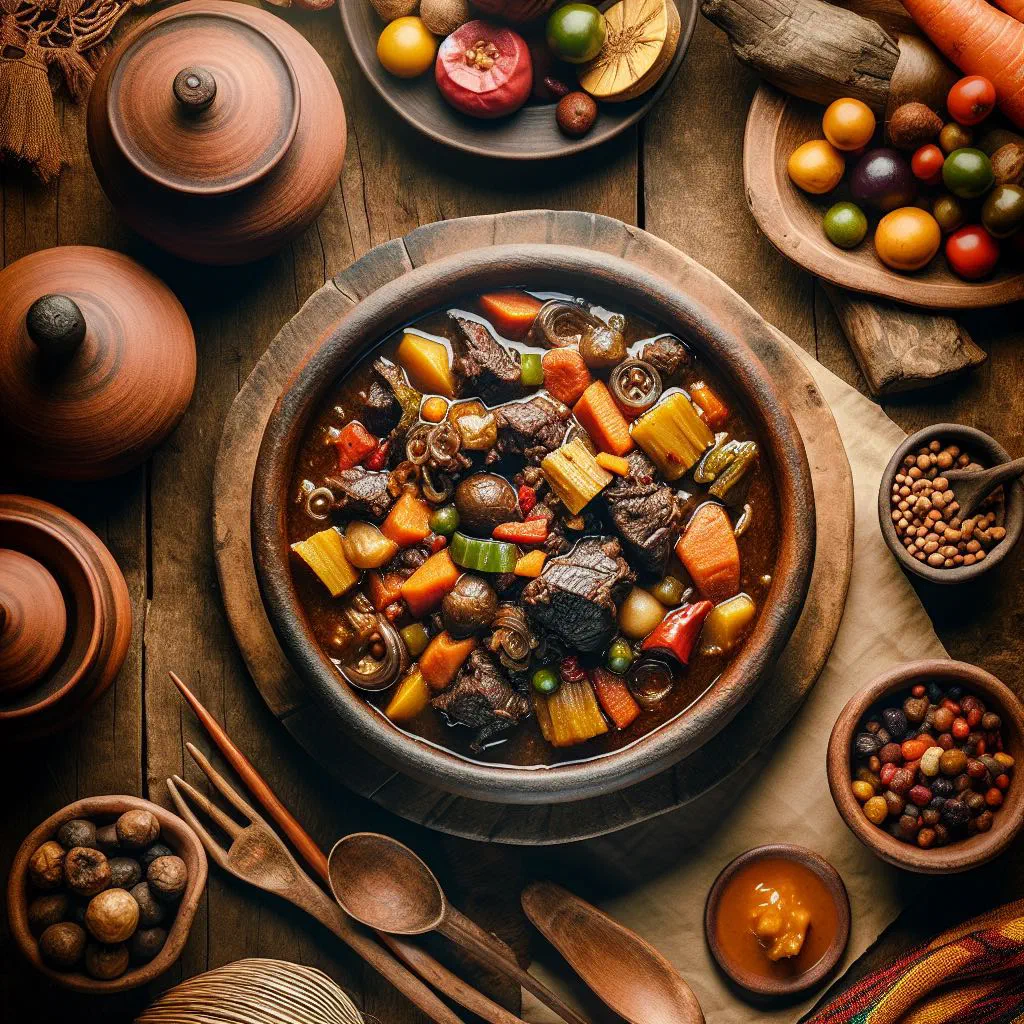
Few dishes tell the story of Zambia as vividly as Bushmeat Stew. Tender game meat is simmered slowly in a fragrant broth of onions, garlic and warming spices until it falls apart at the touch of a fork. It takes patience rather than skill, and the reward is a deeply savoury pot of food that carries the smoke, soil and generosity of the Zambian countryside straight to your table.
About Bushmeat Stew
Bushmeat Stew is a traditional dish that captures the flavours and aromas of Zambia perfectly. It is built around tender game meat, cooked in a hearty broth of local spices and fresh ingredients. Preparing this stew takes a certain amount of effort, but the flavour is well worth the trouble. With every mouthful you are carried into the rich culture and tradition of Zambia, in the same unhurried spirit that shapes a Zambian Beef Stew.
Ingredients (serves 1–2)
- 300 g game meat (antelope or wild boar, for example)
- 2 tablespoons vegetable oil
- 1 onion, diced
- 2 cloves of garlic, chopped
- 1 red pepper, diced
- 1 teaspoon paprika
- 1 teaspoon ground cumin
- 500 ml vegetable stock
- 2 carrots, sliced
- Salt and pepper to taste
Shopping for the ingredients
To make bushmeat stew, it is important to buy fresh, good-quality ingredients. Specialist butchers and market stalls will often have locally sourced game meat. Make sure the spices and vegetables are fresh so the dish delivers its full flavour. If you live somewhere where game is hard to come by, beef or lamb make perfectly good alternatives.
Preparing the dish
Before you start cooking bushmeat stew, it pays to get everything ready. That means cutting the meat into bite-sized pieces and preparing the vegetables. Chop the onion and garlic finely, as this intensifies the aromas of the dish. Seasoning should not be an afterthought either, since the right spices are what bring out the distinctive character of Zambian cooking.
Step-by-step instructions
- Heat the vegetable oil in a large pot and sweat the diced onion and garlic until golden.
- Add the game meat and brown it lightly on all sides.
- Stir in the pepper, carrots and spices (paprika and cumin) and mix everything well.
- Pour in the vegetable stock and bring the pot to the boil.
- Reduce the heat and let the stew simmer for 1–2 hours, until the meat is tender.
Gluten-free / lactose-free version
One great advantage of bushmeat stew is that it is naturally gluten-free and lactose-free. Most of the ingredients used, fresh vegetables and spices, contain neither gluten nor lactose. That makes the dish ideal for anyone with food intolerances. Just check that the stock and any ready-made spice blends are free from those ingredients too.
Tips for vegans and vegetarians
For vegans and vegetarians, bushmeat stew is easily reworked into something just as tasty. Instead of game meat you might use tofu, tempeh or a mixture of pulses such as chickpeas. It is important to season the protein generously so it echoes the depth of the meat version. Adding extra vegetables or serving the stew with bread also boosts the nutrition and rounds the meal out nicely, much as it does in a Bean And Vegetable Stew.
More tips and tricks
A few simple tricks make bushmeat stew even easier. You can marinate the meat in advance to deepen the flavours, leaving it overnight in spices and a little oil. Adding further vegetables such as sweet potatoes or green beans gives the pot a new dimension. Experiment with herbs like thyme or rosemary for an extra layer of depth.
Adapting the recipe to your taste
Tailoring bushmeat stew to your own preferences is straightforward. Turn up the heat with fresh chillies, or keep things mild by holding back on the spice quantities. Try different meats or plant-based alternatives to make the dish exactly as you want it. If you have favourite vegetables, let your creativity run free and personalise the recipe to please your palate.
Ingredient substitutions
If some ingredients for bushmeat stew are unavailable, there are plenty of alternatives. Instead of game you can use beef or chicken, depending on what you can get and what you prefer, the latter works beautifully in a Village Chicken Curry. Vegetable stock can be swapped for meat stock or a home-made broth to vary the flavour. With the spices, creative combinations such as adding ginger or turmeric bring an exciting note to the pot.
Drink pairing ideas
Plenty of drinks suit bushmeat stew and round off the experience. A lightly chilled red wine, particularly a Merlot or Shiraz, harmonises beautifully with the savoury flavours of the dish. For an alcohol-free option, ginger tea or a refreshing fruit juice works well. Just make sure the drink is not too dominant, so it does not mask the delicious taste of the stew.
Serving and presentation ideas
An appealing presentation lifts bushmeat stew considerably. Serve it in deep plates or bowls that show the sauce off well. Garnish with freshly chopped parsley or coriander to add colour and flavour. To make the meal more sociable, offer fresh bread or rice alongside, or a bowl of Nshima, which suits the stew perfectly.
A bit of history
The roots of bushmeat stew run deep in Zambian culture. Traditionally, game was hunted by local communities and has always been regarded as a valuable source of food. Cooking in a pot over an open fire is part of the African tradition and has been passed down through the generations. Today the dish has won over local hearts and food lovers from around the world who want to experience the authenticity of Zambian cuisine.
More recipe ideas
Summary: Bushmeat Stew
In short, bushmeat stew is a wonderful way to be swept up in the rich culture of Zambia. With good game meat and a range of aromatic spices, this dish becomes a memorable taste experience. It offers endless room for adaptation. Enjoy it with a well-chosen drink and a thoughtful presentation, and let your cooking speak for itself.