National Dish Zimbabwe: Chikokoto (Recipe)
In this article
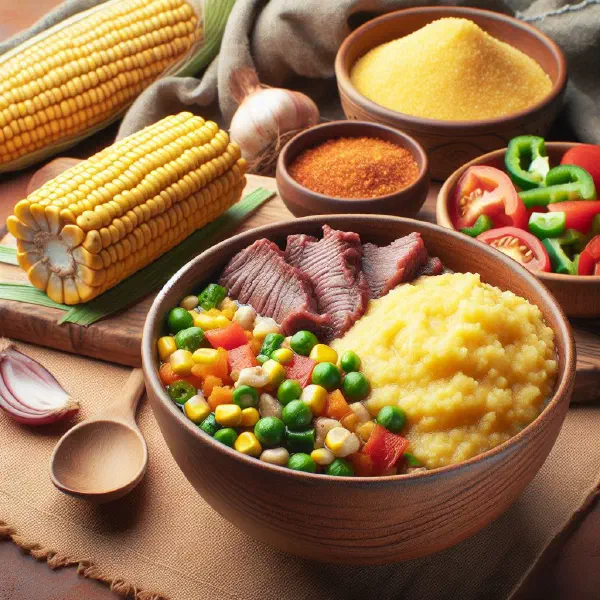
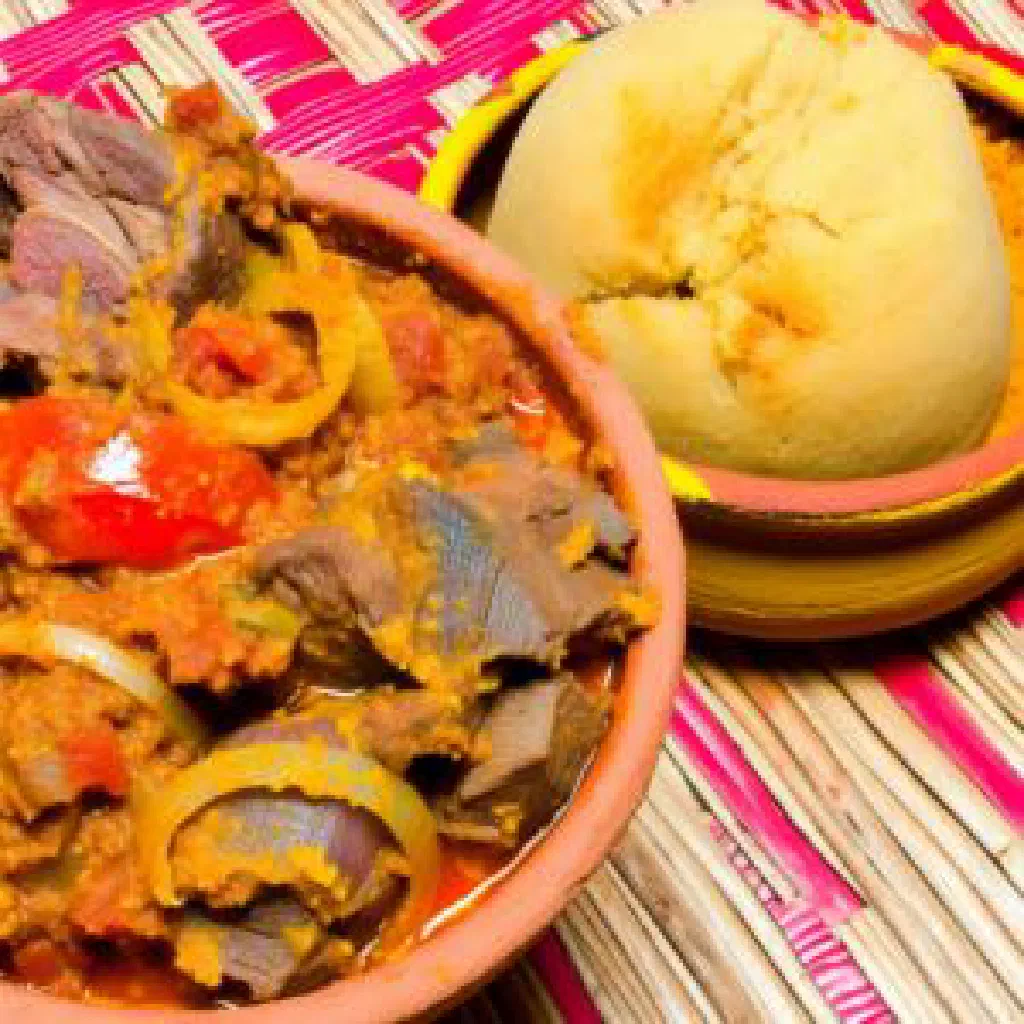
Meet Chikokoto, a comforting Zimbabwean staple built around steamed maize meal and whatever hearty sides the season offers. It is honest, filling food: a soft, spoonable base that soaks up the flavours of stewed meat or vegetables beside it. More than that, it is a dish made for sharing, cooked in generous quantities and set down in the middle of the table for everyone to reach into together.
About Chikokoto
Chikokoto is a traditional national dish of Zimbabwe that reflects the very soul of the country. It consists mainly of steamed maize meal and can be served with all manner of delicious accompaniments, from meat to vegetables. Preparing it is not simply a matter of cooking. It is a communal experience, often celebrated in large family gatherings. Serving this dish is how a host shows hospitality and a genuine wish to share their culture with guests.
Ingredients (serves 1–2)
- 1 cup maize meal
- 1½ cups water
- 1 pinch of salt
- Optional: meat or vegetables for the sides
Shopping for the ingredients
For chikokoto it is worth choosing good-quality ingredients. The maize meal should be freshly milled to guarantee the best flavour. When buying meat or vegetables, look to local suppliers so you capture the character of the region. Markets across Zimbabwe offer a wide range of fresh vegetables and meat that make ideal sides, much the same produce you would reach for when making a Beef And Vegetable Stew.
Preparing the dish
Before you start cooking chikokoto, it is important to get everything properly prepared. Bring the water to the boil in a large pan while you mix the maize meal with a pinch of salt in a bowl. If you plan to cook meat or vegetables alongside, prepare those in good time too so the whole meal comes together neatly. The aim is to time things so the sides can be served fresh and hot.
Step-by-step instructions
- Bring the water to the boil in a large pan, stirring occasionally.
- Slowly stir the prepared maize meal into the boiling water to avoid lumps forming.
- Steam over a low heat, stirring constantly, for about 15–20 minutes until it reaches a firm consistency.
- Meanwhile, cook and season the meat or vegetables of your choice.
- Arrange the chikokoto on a plate and serve with the sides.
Gluten-free / lactose-free version
Chikokoto is naturally gluten-free, since it is made from maize meal alone. For a lactose-free meal, simply make sure the accompanying sides contain no dairy products. Vegetarian and vegan options are very welcome here and suit the dish beautifully. Keeping to the traditional cooking method makes this a great choice for anyone avoiding gluten or lactose.
Tips for vegans and vegetarians
There are plenty of creative ways for vegans and vegetarians to enjoy chikokoto. In place of meat, use vegetables such as peppers, courgettes or carrots, either fried or steamed. Pulses are another excellent addition, making the meal more nourishing, a peanut-rich side like Muriwo Unedovi works especially well. Spices and herbs are a fine way to lend the dish extra depth of flavour.
More tips and tricks
To get the most out of chikokoto, experiment. Try combining different sides or adding regional spices to create a signature version of your own. Pay attention to texture by pairing something crisp with the soft maize meal. That contrast makes for a far more varied eating experience and keeps the meal interesting from the first mouthful to the last.
Adapting the recipe to your taste
The joy of chikokoto lies in its versatility. Adjust the recipe to suit your own preferences with very little effort. If you like a bit more heat, add fresh chillies to the sides. Equally, you could enrich the dish with cheese, provided it does not need to be vegan.
Ingredient substitutions
If you cannot get hold of the usual ingredients, maize meal can be replaced with other grains such as rice flour or millet, the latter is the basis of a fine Millet Sadza. These alternatives offer not only a similar consistency but a slightly different flavour too. For the sides, tofu or seitan make good protein sources if meat is unavailable or simply not wanted. Do experiment with different combinations.
Drink pairing ideas
Several drinks accompany chikokoto perfectly. Traditionally, many people enjoy it with a fruit juice or an unsweetened tea. A light red wine can work well too, particularly if you are serving meat on the side. For an alcohol-free option, refreshing sparkling water with lemon or lime is an excellent choice, as is a chilled Baobab Fruit Drink.
Serving and presentation ideas
Presentation is everything for a memorable meal. Serve chikokoto on a large plate or platter and arrange the sides attractively beside it. Use fresh herbs as a garnish to add colour to the dish. A nicely laid table makes sure the whole thing is a visual experience as well as a culinary one.
A bit of history
The roots of chikokoto reach deep into Zimbabwean culture. It is closely associated with communal eating and family tradition, which makes it a symbol of cooperation and community. The dishes served alongside it vary from region to region and according to local custom, giving Zimbabwean cuisine much of its range. Chikokoto is therefore served not merely as a meal but as part of celebrations and special occasions.
More recipe ideas
Summary: Chikokoto
Chikokoto is more than a dish, it is an experience. With its many variations and the ease with which it adapts to different dietary needs, it invites everyone along on a tour of discovery. Whether shared in a big gathering or enjoyed within a small family circle, this dish brings people together and creates lasting memories. Let the culture of Zimbabwe inspire you and enjoy the range of flavours that chikokoto has to offer.