National Dish Zimbabwe: Chimodho (Recipe)
In this article
Meet Chimodho, a warming maize dish that sits right at the heart of Zimbabwean home cooking. Made from little more than maize meal, water and a pinch of salt, it turns the humblest of pantry staples into something genuinely comforting. Serve it alongside slow-cooked beans, greens or a rich meat relish and you have a meal that feeds a table generously without asking much of your shopping list. It is simple, forgiving and endlessly adaptable.
About Chimodho
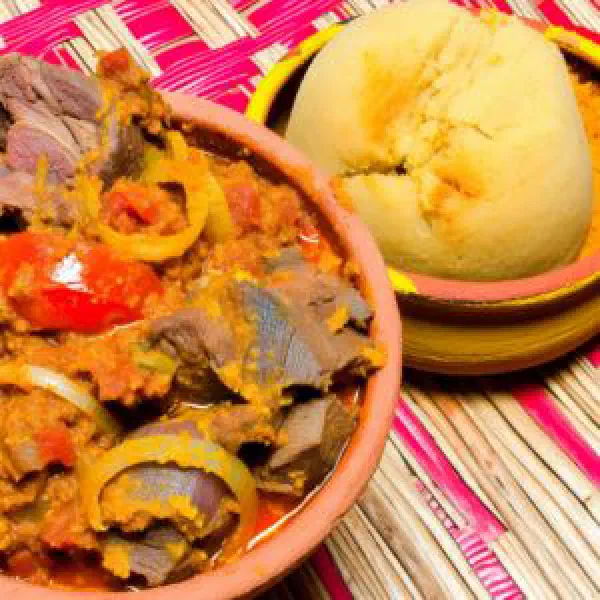
Chimodho is a traditional dish from Zimbabwe that helps define the country’s culinary identity. It is a hearty maize preparation that is especially treasured in rural areas, where maize meal has long been the backbone of the daily table. Chimodho is most often served as an accompaniment to meat, vegetables or beans, which makes it a wonderfully versatile dish for any occasion. The method is straightforward and calls for no complicated ingredients at all, making it an excellent starting point for anyone keen to explore the culinary diversity of Zimbabwe.
Ingredients (serves 1–2)
- 1 cup maize meal
- 3 cups water
- A pinch of salt
- Accompaniments of your choice (meat, vegetables or beans)
Shopping for the ingredients
To make chimodho well, it is worth choosing fresh and good-quality ingredients. Maize meal is best bought from an African or Asian grocery, where you will often find authentic products milled for exactly this kind of cooking. Fresh vegetables and meat can be picked up at your local market, which gets you better produce and supports regional growers and producers. Plan a quick visit to the shops so you have everything to hand before you start.
Preparing the dish
Preparation is the step that decides whether chimodho tastes its best. Begin by washing and readying all your ingredients properly. If you are serving accompaniments such as vegetables or meat, cook or brown them beforehand so they are ready at the same moment as the maize. A little planning ensures the finished plate has a balanced and harmonious combination of flavours rather than one element arriving late and cold.
Step-by-step instructions
- Bring 3 cups of water to the boil in a saucepan and add a pinch of salt.
- Add the maize meal slowly to the boiling water, stirring constantly to prevent lumps forming.
- Reduce the heat and cook the mixture for about 20 minutes, stirring often, until it reaches a thick, creamy consistency.
- Take the chimodho off the heat and let it rest for a few minutes before serving.
- Arrange on plates with your prepared accompaniments as you like.
Gluten-free / lactose-free version
Chimodho is naturally gluten-free and lactose-free, because its main ingredient is maize meal, which contains no gluten whatsoever. That makes the dish particularly appealing to anyone living with coeliac disease or a lactose intolerance. Do check that any accompaniments and added ingredients are also free from gluten and dairy, so the whole meal stays allergen-friendly. Everyone at the table can then enjoy the gentle, toasty flavours of chimodho without a second thought.
Tips for vegans and vegetarians
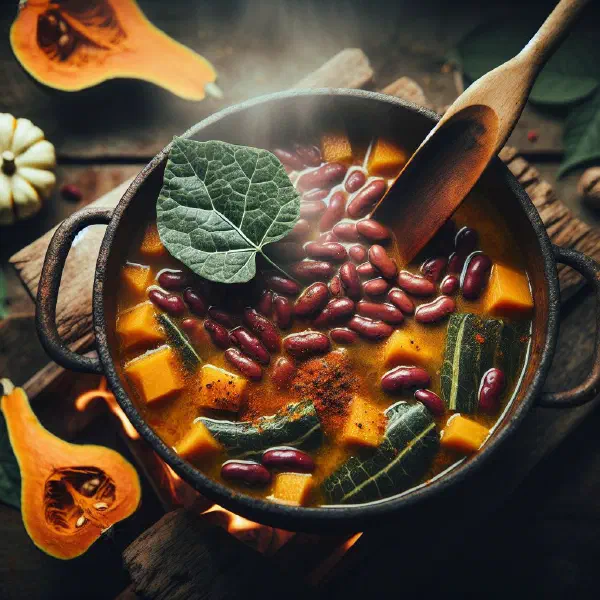
Chimodho adapts effortlessly to the needs of vegans and vegetarians. It is already a plant-based dish, and it takes beautifully to vegetables and pulses that add extra nutrients and flavour. Ideal partners for a vegan version include roasted vegetables or well-seasoned beans, both of which round the plate out nicely, a bowl of Curried Beans is a particularly good match. The flexibility of the recipe makes it easy to accommodate almost any way of eating.
More tips and tricks
The secret to perfect chimodho is patience. Keep the heat low while you stir in the maize meal, as a fierce boil is what causes lumps in the first place. Adding the meal in a thin, steady stream with one hand while stirring with the other gives you the smoothest result, and a sturdy wooden spoon does the job better than a whisk. Once you are comfortable with the method, scale the quantities up or down to suit the number of guests you are feeding.
Adapting the recipe to your taste
Chimodho is extremely adaptable and can be modified to suit personal preference. You control the texture simply by adjusting the water: a little more gives a softer, looser porridge, a little less gives a firm mixture you can shape and slice. Different spices will vary the aroma too, paprika, cumin or a handful of fresh herbs all work well. Experiment freely and you will soon land on a version that feels entirely your own.
Ingredient substitutions
If maize meal is not available to you, several alternatives do the job. Rice flour or millet flour both produce a similar texture and a comparable mild, nutty flavour; the millet route brings the dish close to a Millet Sadza. Adjust the amount of liquid accordingly, since finer flours absorb water differently, and you will get excellent results. Swaps like these let you enjoy chimodho in a number of guises.
Drink pairing ideas
Chimodho goes wonderfully with refreshing drinks that complement the flavours on the plate. Traditionally it is served with Chibuku, a sorghum-based beer, or with maheu, a lightly fermented maize drink that echoes the meal itself. For an alcohol-free option, fruit juices or a cooling herbal tea such as a Zimbabwean Herb-Infused Tea are ideal. These pairings keep the meal balanced and round it off perfectly.
Serving and presentation ideas
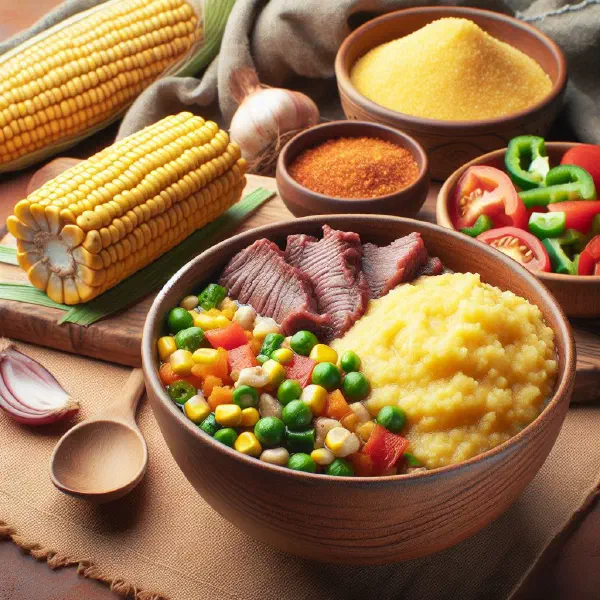
Presentation can lift the enjoyment of chimodho considerably. Serve it in an attractive bowl and garnish with fresh herbs or brightly coloured vegetables. Arrange the accompaniments thoughtfully so the plate looks appealing rather than crowded, a spoonful of greens such as Muriwo Unedovi beside the pale maize makes a striking contrast. A little creativity here will impress your guests and turn a simple supper into a memorable one.
A bit of history
Chimodho has a long history in Zimbabwe and is deeply rooted in the country’s culture. It was originally prepared by local communities as a staple food, combined with whatever ingredients happened to be available at the time. In many places it stands for community and family ties, since both the cooking and the eating traditionally happen at communal gatherings. The timeless character of chimodho shows how a handful of simple ingredients can become a delicious and deeply satisfying dish, a quality it shares with much of Zimbabwean cuisine.
More recipe ideas
Summary: Chimodho
Chimodho is not merely a simple dish but a genuine symbol of Zimbabwean culture and gastronomy. With its flexible method and countless variations, it has something to offer every palate. The flavour and texture of chimodho will win you over and spark your curiosity about the wider Zimbabwean table. Give this traditional dish a try and bring a little piece of Zimbabwe into your own kitchen.