National Dish Zimbabwe: Coconut Milk Sadza (Recipe)

In this article
Discover Coconut Milk Sadza, a wonderfully creamy twist on Zimbabwe’s most beloved staple. Where the classic version relies on nothing more than maize meal and water, this one swaps in rich, unsweetened coconut milk for a mellow sweetness and a silkier texture. The result is comforting, filling and quietly luxurious, a simple bowl of food that tastes far more indulgent than its short ingredient list suggests.
About Coconut Milk Sadza
Coconut Milk Sadza is a delicious and nourishing variation on the traditional Zimbabwean dish of sadza, which is made from maize meal. It is prized for its creamy texture and the distinctive flavour that comes from adding coconut milk. Sadza itself is a staple food across Zimbabwe and is usually served alongside stews and sauces, much as the plain Sadza that families eat almost daily. The coconut milk makes this version more flavourful and especially satisfying.
Ingredients (serves 1–2)
- 1 cup maize meal
- 1½ cups coconut milk
- 1 cup water
- A pinch of salt
Shopping for the ingredients
When shopping for the ingredients for Coconut Milk Sadza, quality really does make a difference. Look for fresh, unsweetened coconut milk, as it shapes the flavour of the finished dish more than anything else. The maize meal should ideally be a finely milled, good-quality grain so the porridge sets to the right consistency. Most of these ingredients are stocked in well-supplied supermarkets, and you will almost always find them in African or Asian grocers.
Preparing the dish
Preparation for Coconut Milk Sadza is straightforward and quick. Before you begin, measure everything out carefully so the dish reaches exactly the right consistency. It is important to combine the water and the coconut milk thoroughly before the maize meal goes in. Have your pan, wooden spoon and any other utensils to hand as well, so the cooking runs smoothly from start to finish.
Step-by-step instructions
- Bring the water and coconut milk to the boil in a saucepan.
- Add a pinch of salt.
- Sprinkle in the maize meal slowly, stirring constantly to prevent lumps.
- Let the mixture simmer over medium heat for 10–15 minutes, stirring steadily throughout.
- The consistency should turn thick and creamy; as soon as it does, take the pan off the heat.
Gluten-free / lactose-free version
Coconut Milk Sadza is naturally gluten-free, since it is made purely from maize meal. It is also lactose-free by design, as coconut milk contains no dairy at all. Just check the tin to be sure no milk products have been blended in. These small points make the dish perfect for anyone with particular dietary needs, and the original flavour stays exactly as it should be, with nothing sacrificed for the sake of it.
Tips for vegans and vegetarians
For vegans and vegetarians, Coconut Milk Sadza is an excellent choice, as it contains no animal products whatsoever. It is rich in fibre and in the nutrients that matter most in a plant-based diet. To make it even more nourishing, stir through or serve alongside vegetables and pulses, something like Bean and Pumpkin Leaf Stew turns it into a complete meal. Fresh herbs and spices let you refine the flavour further still.
More tips and tricks
To get Coconut Milk Sadza just right, keep stirring so no lumps have a chance to form. A wooden spoon is ideal here, as it works the porridge gently but effectively. It is also worth tasting as you go, so you can stop the moment you reach the creaminess you want. Many cooks like to finish the dish with a squeeze of lime or a hint of chilli for an extra layer of flavour.
Adapting the recipe to your taste
The recipe for Coconut Milk Sadza adapts easily to personal preference. Do you like things hotter? Add a little red pepper or chilli powder. If you prefer a sweeter version, a tablespoon of honey or agave syrup does the job nicely. There is plenty of room for creative variation here, so everyone can end up with a version they think of as their own.
Ingredient substitutions
If you do not have coconut milk to hand, other plant milks will work, though the flavour will change noticeably. Almond, soya and oat milk all make reasonable stand-ins. For a higher-protein version you can also use quinoa flour to lift the nutritional value, or try the millet-based approach of Millet Sadza. Whenever you swap an ingredient, taste as you cook to be sure the result is what you were after.
Drink pairing ideas
Plenty of drinks pair beautifully with Coconut Milk Sadza. A refreshing fruit smoothie built on mango or pineapple is an ideal match, while a tangy Baobab Fruit Drink brings a local touch to the table. For something with more warmth, brew a ginger tea to lend the meal an exotic note. Water with a squeeze of lemon is another refreshing, gently sour accompaniment.
Serving and presentation ideas
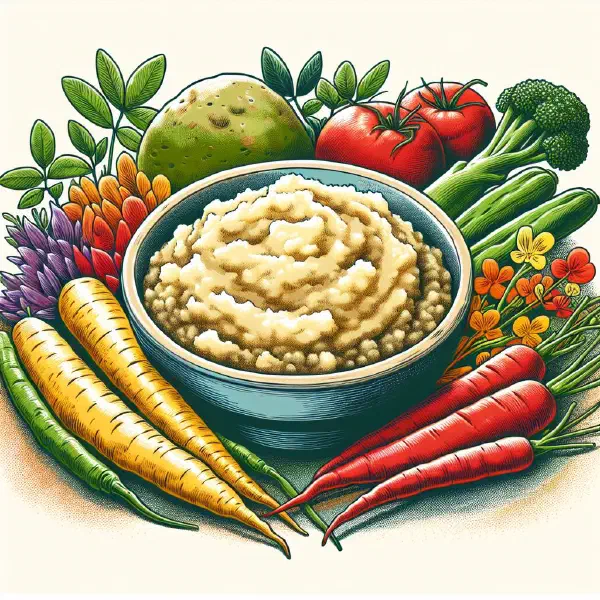
Presentation can improve the Coconut Milk Sadza experience considerably. Serve the dish in a deep bowl and garnish it with fresh herbs such as coriander or parsley. A slice of lime or lemon perched on the rim adds colour and a sense of freshness. Colourful vegetables or a stew served alongside will round out the picture and make the whole plate look inviting.
A bit of history
Sadza is a staple food in Zimbabwe and is traditionally made from maize meal. It is eaten everywhere and has a long history reaching back to the region’s earliest inhabitants. Adding coconut milk is a creative variation that took hold in some parts of the country, making the dish richer and more aromatic. That single change says a great deal about the range of influences at work in Zimbabwean cuisine.
More recipe ideas
Summary: Coconut Milk Sadza
Coconut Milk Sadza is a delicious dish and a lovely way into the culinary culture of Zimbabwe. With a handful of easy-to-find ingredients and a flexible method, it suits just about every palate. It adapts readily and delivers a genuinely distinctive eating experience. Enjoy the aromatic variety and let yourself be drawn into the world of Zimbabwean cooking.