National Dish Zimbabwe: Gwaya (Recipe)
In this article
Meet Gwaya, a wonderfully simple staple from Zimbabwe made with nothing more than maize meal, water and a pinch of salt. What it lacks in complexity it more than makes up for in usefulness: it soaks up stews, cradles saucy relishes and turns a handful of vegetables into a proper meal. Quick to cook and endlessly adaptable, it is the kind of everyday dish that has fed families for generations, and it takes barely fifteen minutes from pan to plate.
About Gwaya
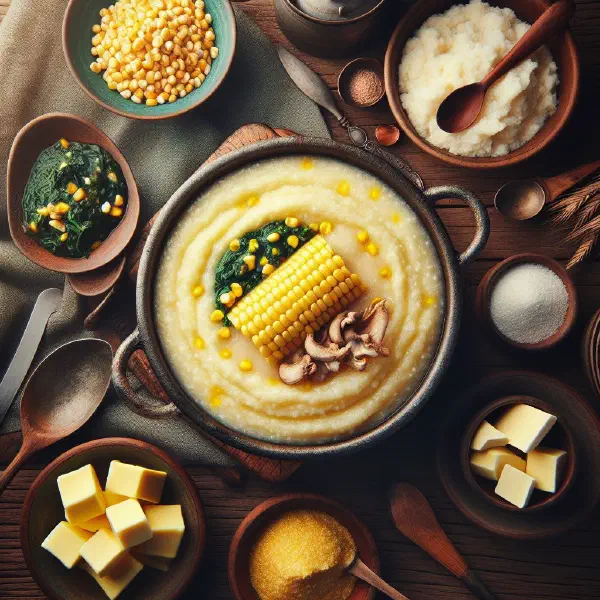
Gwaya is a traditional dish from Zimbabwe prepared from maize meal. It is a flavourful side and remarkably versatile, since it can be served alongside a wide range of stews and vegetable dishes. Making gwaya is both simple and quick, which makes it ideal for everyday meals. It also plays an important role in Zimbabwean culture and is often prepared for celebrations and family gatherings, much like its close relative Sadza.
Ingredients (serves 1–2)
- 1 cup maize meal
- 2 cups water
- 1 pinch of salt
- 1 tablespoon vegetable oil (optional)
Shopping for the ingredients
You will find maize meal in most supermarkets or in specialist shops that stock international products. Look out for a finely milled maize meal to achieve the best consistency. Water and salt are basics that belong in every kitchen, while the vegetable oil is optional and enriches the flavour a little.
Preparing the dish
Getting ready to cook gwaya is refreshingly straightforward. Start by measuring out the required amounts of maize meal and water. If you like, you can also prepare any spices or extra ingredients you plan to combine with the gwaya. It is a good idea to plan in advance what you will serve alongside it, so that the flavours work together harmoniously.
Step-by-step instructions
- Bring the water to the boil in a saucepan.
- Add a pinch of salt and reduce the heat.
- Slowly sprinkle in the maize meal, stirring constantly.
- Continue cooking over low heat until the mixture is firm and comes away easily from the sides of the pan.
- Optional: add a tablespoon of vegetable oil and stir well.
- The gwaya is now ready to serve, either as a side dish or in any other form you prefer.
Gluten-free / lactose-free version
The great thing about gwaya is that it is naturally gluten-free, since it consists of nothing but maize meal and water. That makes it a safe choice for anyone with a gluten intolerance. The basic recipe also contains no dairy, so it suits people who are lactose intolerant too. If you do want to add other ingredients, take care to choose gluten-free and lactose-free options as well.
Tips for vegans and vegetarians
For vegans and vegetarians, gwaya is an excellent option. There are no animal products in the recipe, and you can pair the side with all sorts of vegetable dishes, a spoonful of Muriwo Unedovi is a classic partner. Choose the freshest vegetables or plant-based stews you can find to enrich the dish. Additional plant-based sides broaden the flavour profile of gwaya beautifully and make for a balanced meal.
More tips and tricks
When making gwaya, it helps to experiment with the consistency. Depending on how firm or soft you like it, you can adjust the ratio of water to maize meal slightly. Another tip is to let the gwaya rest briefly after cooking so the flavours can settle. You can also make small portions and freeze them, ready to be used at a moment’s notice.
Adapting the recipe to your taste
The recipe for gwaya is easy to adapt to your personal preferences. You might add herbs and spices such as parsley or cumin to give the dish more flavour. Experiment with different kinds of vegetables by serving them with the gwaya or even stirring them straight into the mixture. It makes the cooking that much more fun.
Ingredient substitutions
If you are looking for alternatives for gwaya, you can use other flours such as millet flour or rice flour to achieve a similar consistency, the same principle behind Millet Sadza. Be sure to adjust the amount of liquid accordingly. You can also use a vegetable stock instead of water for extra flavour. That way the gwaya becomes even more aromatic while remaining just as versatile.
Drink pairing ideas
Plenty of drinks go well with gwaya and complement the flavours of the dish. A cold beer or a fruity juice makes a wonderful accompaniment. If you prefer something warm, a herbal tea such as Zimbabwean Herb-Infused Tea underlines the flavours of the meal nicely. Do try a few different options and see which one you like best.
Serving and presentation ideas
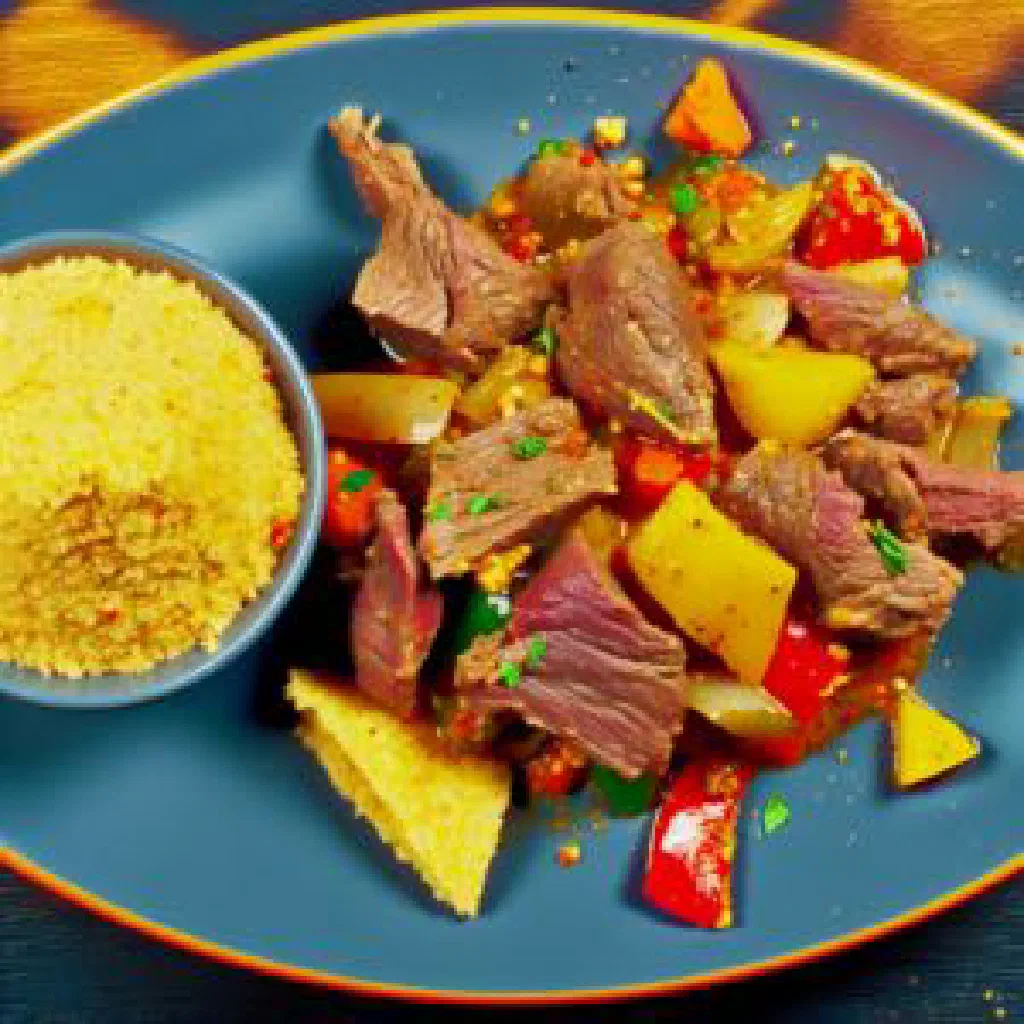
The way you present gwaya can lift the whole eating experience. Serve the dish on a large plate and garnish it with fresh herbs or a colourful relish. You can also arrange several small portions in bowls to create a proper family-style meal. Try to highlight the colours of the accompanying dishes for an appealing visual effect.
A bit of history
The story of gwaya is deeply rooted in the cultural heritage of Zimbabwe. Maize has been grown as a staple crop in the region for centuries, which has made gwaya a symbol of nourishment and survival. The dish represents the simplicity of traditional Zimbabwean cuisine and the sense of community that comes from eating together. In many households gwaya is still prepared for festivals and special occasions, which underlines its cultural significance.
More recipe ideas
- Bean And Pumpkin Leaf Stew
- Pumpkin and Corn Stew
- Wild Mushroom Stew
- Covo With Peanut Butter
- Tomato and Onion Relish
Summary: Gwaya
Gwaya is a simple and delicious dish that reflects the flavours and cultural heritage of Zimbabwe. With minimal ingredients it is both nourishing and versatile, and it can be adapted to suit your personal preferences. Preparation is uncomplicated, which makes gwaya an ideal choice for any meal. Bring a piece of Zimbabwean cooking to your own table and enjoy the flavours of this traditional dish.