National Dish Zimbabwe: Kapenta (Recipe)
In this article
Meet Kapenta, the tiny silver freshwater fish that Zimbabwe has turned into a national treasure. Netted by the boatload on Lake Kariba, these little sardine-like fish are dried or cooked fresh, then fried up with onions, garlic and warming spices until deeply savoury. The recipe is quick, thrifty and packed with protein, a genuine taste of everyday Zimbabwean cooking that is far easier to make at home than you might expect.
About Kapenta
Kapenta is a small freshwater fish caught in Lake Kariba, and it has become one of the best-loved staples in Zimbabwe. It is prized above all for its nourishing, well-spiced preparation and counts as a national dish in its own right. Kapenta can be cooked either dried or fresh, and its versatility means it turns up in countless Zimbabwean meals. Its distinctive flavour and its economic importance to the local fishing communities make kapenta something genuinely special.
Ingredients (serves 1–2)
- 200 g kapenta (fresh or dried)
- 2 tablespoons vegetable oil
- 1 large onion, diced
- 2 cloves of garlic, finely chopped
- 1 teaspoon chilli flakes (to taste)
- 1 teaspoon turmeric
- Salt and pepper to taste
- Fresh parsley, to garnish
Shopping for the ingredients
Fresh kapenta can be found at specialist African or international grocers. Look for fish that appear bright and firm and have a clean, pleasant smell. If fresh kapenta are not available, dried kapenta work just as well. You will simply need to soak them before cooking. Many African food shops also sell them online in vacuum-sealed packs, which keep for months in the store cupboard.
Preparing the dish
If you are using dried kapenta, soak them in water for a few hours first so they regain their original size and texture, then drain them thoroughly. Fresh kapenta should be cleaned carefully and any scales removed. A little patience at this stage pays off: properly soaked and drained fish fry evenly and never turn rubbery. Have your onions, garlic and spices measured out before the pan goes on the heat.
Step-by-step instructions
- Heat the oil in a frying pan over a medium heat.
- Add the onions and garlic and fry until translucent.
- Add the kapenta and fry for a few minutes until golden brown.
- Scatter over the chilli flakes, turmeric, salt and pepper, and stir everything together well.
- Let the dish simmer gently over a low heat until the kapenta are cooked through.
- Garnish with fresh parsley just before serving.
Gluten-free / lactose-free version
As written, this recipe is naturally gluten-free and lactose-free. There is no flour, no batter and no dairy anywhere in the pan. Just double-check any shop-bought spice blend or stock powder you might add, as these occasionally contain wheat-based fillers. Cook the fish in oil rather than butter and the dish stays entirely dairy-free, which makes it a reliable choice when you are catering for guests with intolerances.
Tips for vegans and vegetarians
Kapenta is a fish dish, so it cannot be made vegan as such, but the method behind it transfers beautifully to plant-based cooking. Fry strips of smoked tofu or rehydrated soya chunks in exactly the same way with onion, garlic, turmeric and chilli for a similar savoury depth. Vegetarian cooks in Zimbabwe often serve a leafy relish such as Muriwo Unedovi in place of the fish, using the same spice base.
More tips and tricks
For an extra kick of flavour, add a squeeze of lemon juice or a spoonful of tomato purée to the pan. Vegetables such as peppers or tomatoes also go extremely well with kapenta and stretch the dish further. Resist the urge to stir constantly while the fish are browning, letting them sit for a minute at a time gives you far crisper results, much as in a classic Fried Kapenta with Onions.
Adapting the recipe to your taste
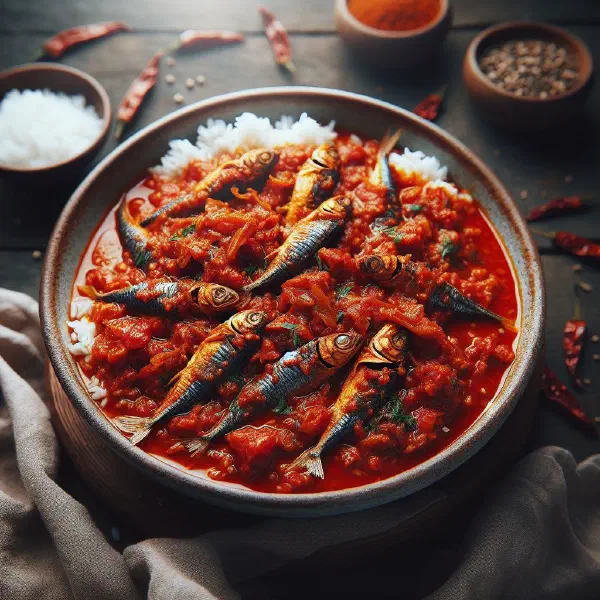
If you prefer things milder, simply cut back on the chilli flakes or leave them out altogether. Herb lovers can add rosemary or thyme for a more aromatic result. You can also lean the dish towards a saucier style by adding chopped tomatoes and letting everything reduce, which brings it close to Matemba in Tomato Sauce. Adjust the salt at the very end, as dried fish already carry plenty of their own.
Ingredient substitutions
If you cannot get hold of kapenta, other small fish such as anchovies or sprats make a very good stand-in and behave much the same way in the pan. Dried whitebait works too. Groundnut oil can replace the vegetable oil for a nuttier note, and a pinch of curry powder stands in nicely for the turmeric if that is what your cupboard offers.
Drink pairing ideas
A cool white wine or a light lager pairs superbly with the spiced, savoury flavour of kapenta and offers a refreshing contrast. A dry rosé also works well. If you would rather skip the alcohol, chilled sorghum drinks, ginger beer or simply iced water with lemon all cut through the richness of the fried fish.
Serving and presentation ideas
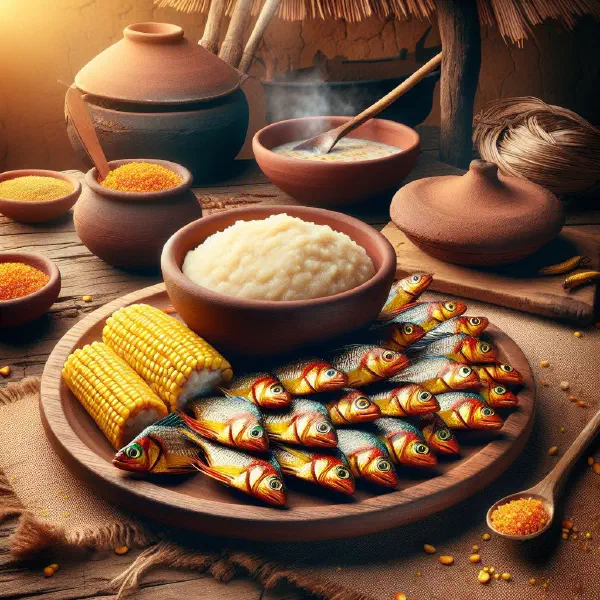
Serve the kapenta arranged in a ring on a warmed plate. In the middle you can add a spoonful of dip or a portion of rice to round the dish out. Traditionally it is eaten with a stiff maize porridge, a mound of Sadza in the centre of the plate looks striking and soaks up every last bit of the spiced oil. A scattering of fresh parsley and a wedge of lemon finish it off.
A bit of history
Kapenta, also known as the Lake Tanganyika sardine, was originally native to Lake Tanganyika in East Africa and was later introduced into Lake Kariba. Today the fish are an important source of income for the fishing communities around the lake and a fixed part of the local diet. Their rise from an introduced species to a national staple says a great deal about the resourcefulness of Zimbabwean cuisine.
More recipe ideas
Summary: Kapenta
Kapenta is a true speciality from Zimbabwe, winning people over with its simple preparation and boldly spiced flavour. With the ingredients and instructions above you can recreate the dish at home without any fuss and let the aromas of Africa work their magic. Quick, affordable and full of character, it is proof that some of the best food comes from the humblest ingredients. Give it a try. It deserves a place in your regular rotation.