National Dish Zimbabwe: Sadza with Wild Vegetables (Recipe)
In this article
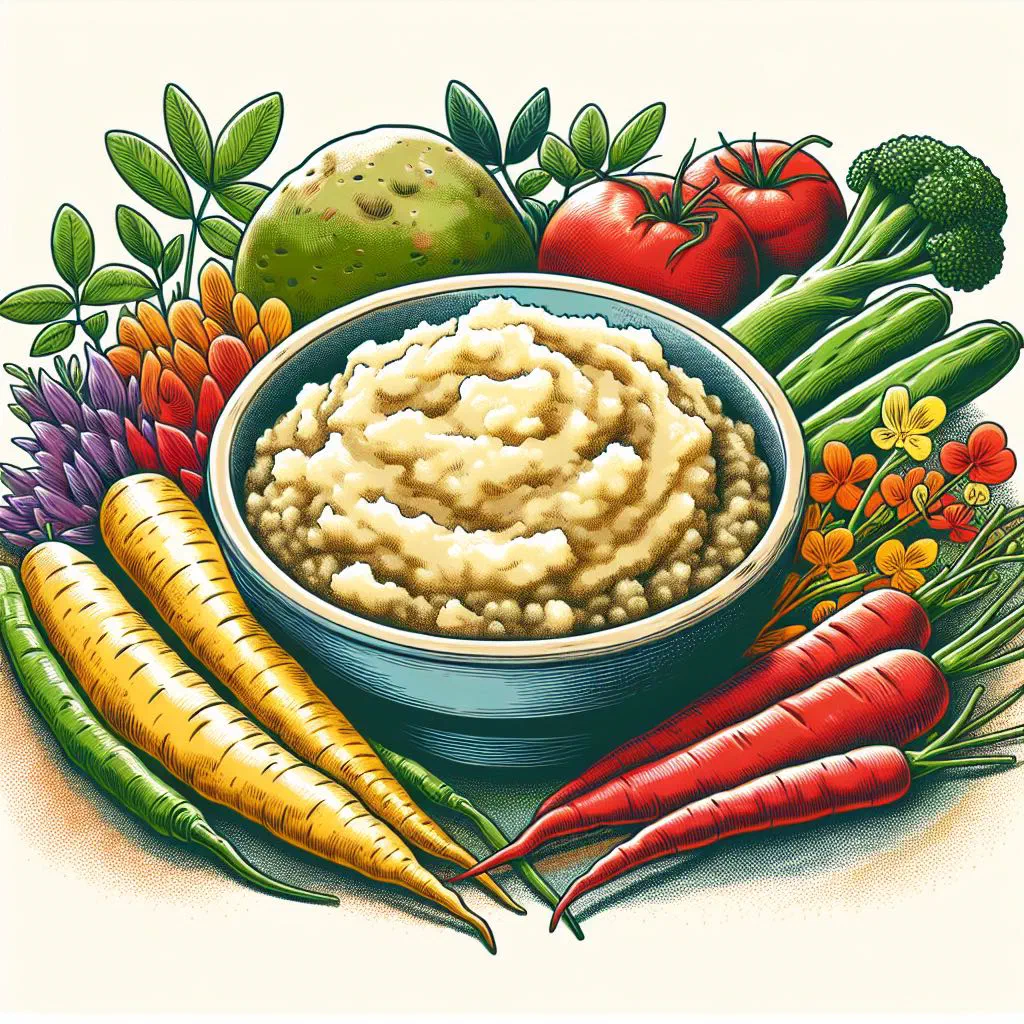
Discover Sadza with Wild Vegetables, the everyday heart of the Zimbabwean table. This soft, satisfying maize porridge is scooped by hand and eaten with handfuls of freshly gathered greens, from earthy amaranth to tender morogo. Simple, filling and quietly delicious, it is the sort of food that draws a whole family around a single bowl. Bring a taste of Harare’s home kitchens straight to your own stove.
About Sadza with Wild Vegetables
Sadza is a traditional maize porridge that plays a central role in both the diet and the culture of Zimbabwe. It is usually made from maize meal and has a firm yet yielding consistency that holds its shape when pinched between the fingers. The dish is nourishing and an important part of social life in countless households. Sharing a bowl of sadza strengthens togetherness and good company among friends and family alike.
Ingredients (serves 1–2)
- 1 cup maize meal
- 2 cups water
- A pinch of salt
- Wild vegetables (optional, e.g. amaranth or morogo)
Shopping for the ingredients
The ingredients for sadza are most easily found in African or Asian grocery shops. When buying the maize meal, look for a variety milled from unhulled maize, as this gives the authentic flavour. Fresh wild greens, so often served alongside sadza, turn up at well-stocked markets or at a local farm shop. If you live in a city, organic shops and larger supermarkets may well stock something suitable too, the same greens that appear in Muriwo We Spinach.
Preparing the dish
Preparing sadza is straightforward and calls for no special cooking skills. Begin by bringing the water to the boil in a good-sized pan. The amount of maize meal can be adjusted to suit the consistency you prefer, so there is plenty of room to experiment. While the water heats, wash and set out the wild vegetables, which serve as the delicious accompaniment.
Step-by-step instructions
- Bring the water to the boil in a large pan and add a pinch of salt.
- Sprinkle in half of the maize meal, stirring constantly to prevent lumps forming.
- Once the mixture begins to thicken, add the remaining meal.
- Keep stirring until the porridge is smooth and firm.
- Fold the wild vegetables through, or cook and serve them separately, as you prefer.
Gluten-free / lactose-free version
Sadza is naturally gluten-free and lactose-free, which makes it an excellent choice for anyone with food intolerances. Simply use pure maize meal and take care that no gluten-containing ingredients sneak in. It also pays to check that any side dishes you cook alongside it are gluten-free. That way the whole meal remains easy to digest and can be enjoyed by everyone at the table.
Tips for vegans and vegetarians
Sadza itself is a vegan and vegetarian dish that contains no animal products whatsoever. To make more of the meal, add extra vegetables or plant proteins such as lentils or beans, much as you would in a hearty Mutakura. Fresh or dried spices bring further depth of flavour. This gives you a great deal of flexibility to shape the dish around your own tastes.
More tips and tricks
Constant stirring is the key to the perfect sadza consistency. It stops the porridge catching on the base of the pan or forming lumps. Many cooks recommend using a wooden spoon to achieve the best possible texture. Play with the cooking time too, so you can perfect the dish to your liking and discover new flavours along the way.
Adapting the recipe to your taste
Sadza is remarkably versatile and easy to adjust to personal preference. Vary the amount of liquid to arrive at a softer or a firmer porridge. You can also deepen the flavour by adding stock or spices to the cooking water. Be inventive and try different combinations until you have created your own version of sadza.
Ingredient substitutions
If you have no maize meal to hand, millet flour or rice flour will also produce a fine variation on sadza, the approach behind the classic Millet Sadza. Both alternatives are likewise gluten-free and bring their own flavours and textures. Do adjust the ratio of water to flour so the consistency comes out right. You can also try different greens according to what is available and in season.
Drink pairing ideas
Sadza is often served with traditional drinks that complement the flavour of the dish. Plain, refreshing water or a traditional hibiscus tea makes an excellent choice. Chibuku, a traditional maize beer, is another firm favourite alongside this meal. Experiment with different drinks to round out the whole dining experience.
Serving and presentation ideas
Presentation can lift the sadza experience considerably. Serve the porridge in one large bowl to underline the communal spirit of the meal. A garnish of fresh green vegetables or edible flowers offers a lovely contrast of colour and makes the plate more appealing. Traditional crockery is worth using too, as it highlights the cultural weight of the dish.
A bit of history
Sadza has a long history in Zimbabwe and is not merely a dish but a symbol of identity. Developed originally by the indigenous Bantu peoples, it has been passed down through generations and is treasured to this day. It is a fine example of a home-grown food culture shaped strongly by farming and by the character of the land, a thread that runs right through Zimbabwean cuisine. Preparing sadza is frequently bound up with ceremonies and celebrations.
More recipe ideas
Summary: Sadza with Wild Vegetables
Sadza is far more than just a dish; it is a symbol of cultural identity in Zimbabwe. Thanks to its simple preparation and the sheer variety of sides that can be paired with it, it appeals to a great many palates. Its savoury flavours and satisfying texture make it a must in any African kitchen. The versatility of this dish will win you over.