National Dish Zimbabwe: Traditional Millet Sadza (Recipe)
In this article
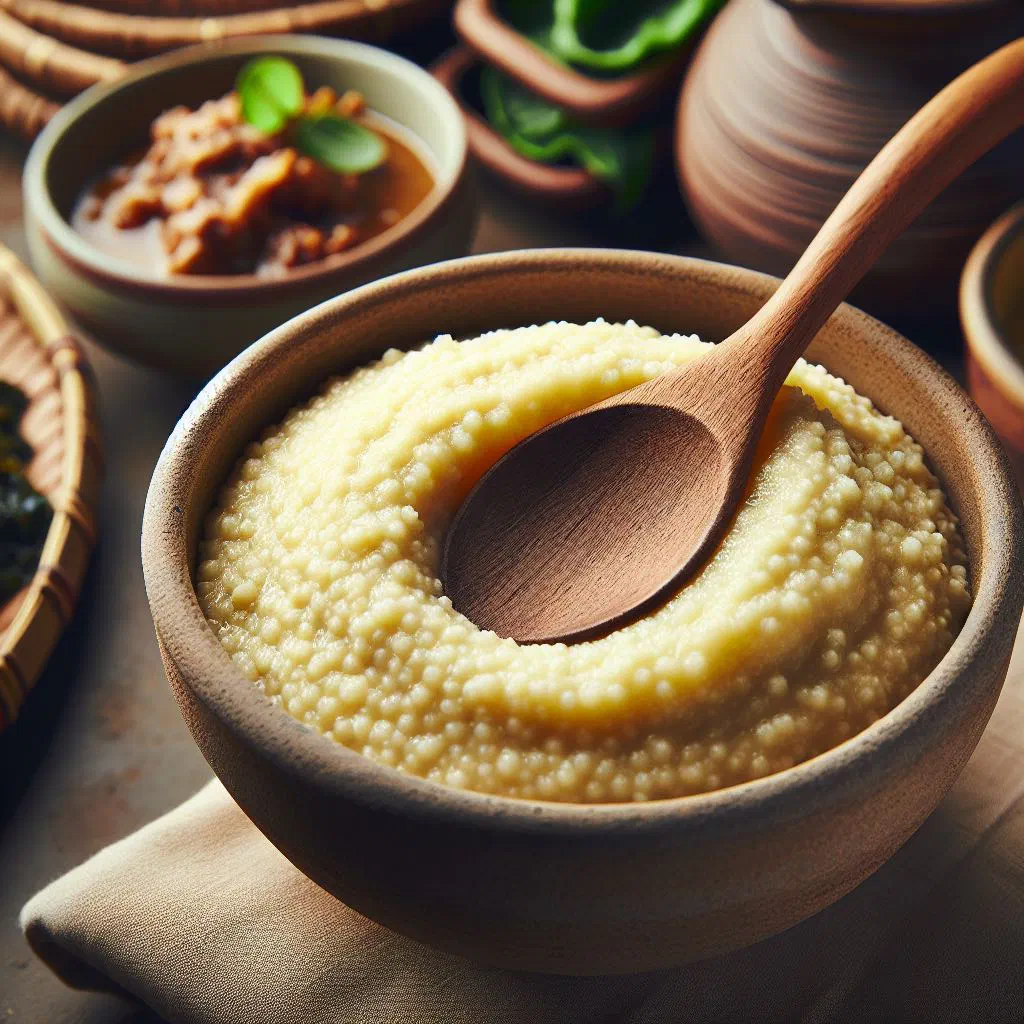
Few dishes say more about Zimbabwe than Traditional Millet Sadza, the thick, comforting staple that sits at the centre of almost every family meal. Made from nothing more than millet flour, water and a pinch of salt, it is proof that simple cooking can be deeply satisfying. Smooth, gently nutty and endlessly adaptable, sadza is the plate on which stews, relishes and greens are served, and a direct taste of Zimbabwean home cooking.
About Traditional Millet Sadza
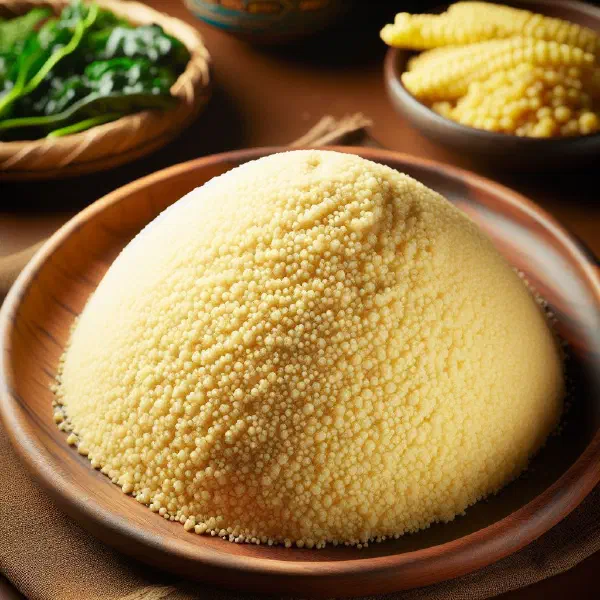
Traditional Millet Sadza is a foundational dish of Zimbabwean cooking, made from millet flour and cooked to a smooth, creamy consistency before it firms up. It is traditionally served as an accompaniment to a wide range of hearty dishes, soaking up sauces and relishes beautifully. Preparation is straightforward and calls for only a handful of ingredients, which makes it an ideal everyday food for small households. Sadza is nourishing and offers a window into Zimbabwe’s cultural traditions, as it is frequently served at festive occasions and family gatherings.
Ingredients (serves 1–2)
- 1 cup millet flour
- 3 cups water
- A pinch of salt (optional)
Shopping for the ingredients
When shopping for the ingredients for traditional millet sadza, look for good-quality millet flour to guarantee the best texture and flavour. Most African or Asian grocery shops stock millet flour that is milled specifically for making sadza, and organic shops often carry excellent alternatives as well. Do not forget to pick up fresh vegetables or a protein such as fish or meat to round out the meal, a simple Tomato And Onion Relish is one of the easiest and most rewarding partners.
Preparing the dish
Preparing traditional millet sadza takes a little planning, but the steps themselves are uncomplicated. First make sure every ingredient is measured out and the equipment you need is within reach: a heavy pan, a sturdy wooden spoon and a jug of extra water to adjust the mixture as you go. Accurate measuring is the key to the ideal consistency, which should be neither too stiff nor too loose.
Step-by-step instructions
- Bring 2 cups of water to the boil in a saucepan.
- In a separate bowl, whisk 1 cup of millet flour into 1 cup of water until completely smooth.
- Once the water in the pan is boiling, pour in the flour-and-water mixture slowly while stirring continuously.
- Continue cooking over a medium heat until the mixture becomes a thick mass, roughly 10–15 minutes.
- Stir firmly with a wooden spoon, making sure no lumps form.
- When the desired consistency is reached, take the pan off the heat and let it rest for a few minutes.
Gluten-free / lactose-free version
Traditional millet sadza is naturally gluten-free, which makes it an outstanding choice for anyone with a gluten intolerance. By using millet flour alone and keeping the remaining ingredients simple, you can be certain the dish is lactose-free as well. Take care to choose accompaniments that are equally free of gluten and dairy so the whole meal suits every guest at the table. This versatility is exactly why sadza has become such a dependable kitchen favourite across so many diets.
Tips for vegans and vegetarians
For vegans and vegetarians, traditional millet sadza is a brilliant option, as it contains no animal products whatsoever. Pair it with vegetable-rich sides such as Muriwo We Spinach or a generous stew to build a complete meal. Adding good plant proteins such as lentils or beans, think of a nutty Peanut Butter Stew, raises the nutritional value considerably. In this way vegans and vegetarians can enjoy the flavours and culture of Zimbabwe in the most delicious way.
More tips and tricks
There are many ways to vary and fine-tune traditional millet sadza. If you prefer a particular texture, experiment with the ratio of water to millet flour until it feels right. Some cooks like a more refined flavour and stir in herbs or a little spice, while others stay loyal to the plain, traditional version. Make a note of your favourite combinations so you can reproduce the dish perfectly next time.
Adapting the recipe to your taste
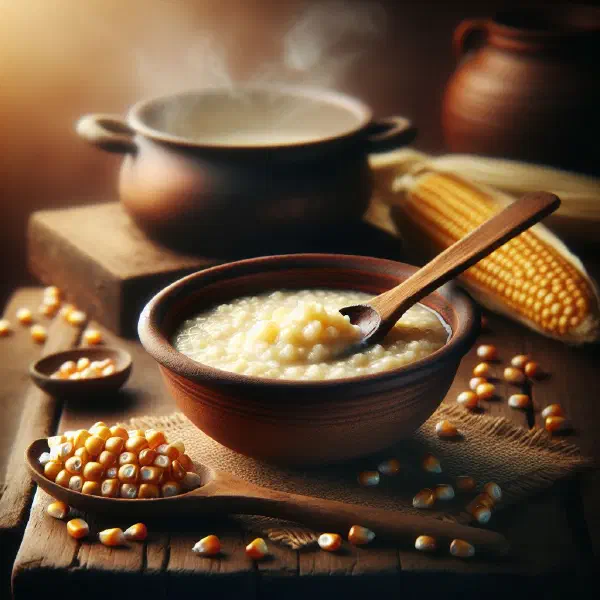
It is easy to adapt traditional millet sadza to personal preference. Stir in some diced vegetables during cooking to lift both the nutritional value and the flavour. If you would like a gently sweet note, finely chopped fresh or dried fruit works surprisingly well, much as it does in a bowl of Sweet Sorghum Porridge.
Ingredient substitutions
If you cannot find millet flour, alternative flours such as maize meal will do the job, though the flavour will shift a little. Rice or quinoa can also stand in for millet and deliver a pleasing consistency of their own. Just remember to adjust the cooking time according to the flour or grain you use. There are plenty of routes to a version of millet sadza that suits your taste exactly.
Drink pairing ideas
Plenty of drinks go well with traditional millet sadza, depending on the sides you serve alongside it. A full-bodied fruit juice or a herbal tea complements the flavours of the dish beautifully, and a cup of Zimbabwean Herb Infused Tea is particularly fitting. For an alcohol-free refreshment, sparkling water with lemon or lime is hard to beat. Experiment with different pairings to round out the meal as a whole.
Serving and presentation ideas
The way you present traditional millet sadza can improve the eating experience considerably. Serve it in a handsome bowl and garnish with fresh herbs or finely sliced vegetables. Using natural materials for crockery and cutlery lends the meal an appealingly traditional touch. An attractive presentation whets the appetite and shows how much care you put into your food.
A bit of history
Traditional millet sadza has a long history and has been a staple food in Zimbabwe and other parts of Africa for centuries. many regional variations grew up over time, each served within its own culinary culture. Millet carries great historical significance, as it has been a source of nourishment and part of the identity of many communities. The dish is far more than food; it tells the story and the traditions of the Zimbabwean people, and it remains the backbone of Zimbabwean cuisine.
More recipe ideas
Summary: Traditional Millet Sadza
All in all, traditional millet sadza is a simple yet delicious dish rooted deep in the culture of Zimbabwe. With only a few ingredients you can put together something nourishing and full of flavour that feels both traditional and thoroughly modern. The versatility of the dish means it can be shaped around your own preferences and dietary needs with very little effort. Give it a try and experience the flavours and cultures of Zimbabwe right in your own kitchen.