National Dish Zimbabwe: Zimbabwean Herb-Infused Tea (Recipe)
In this article
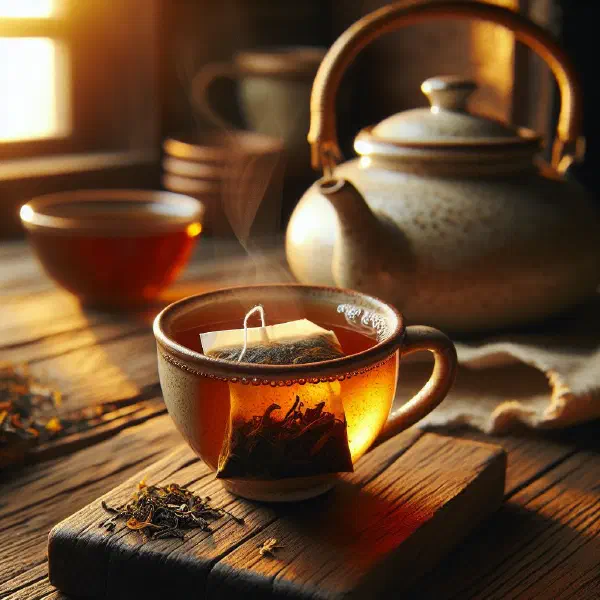
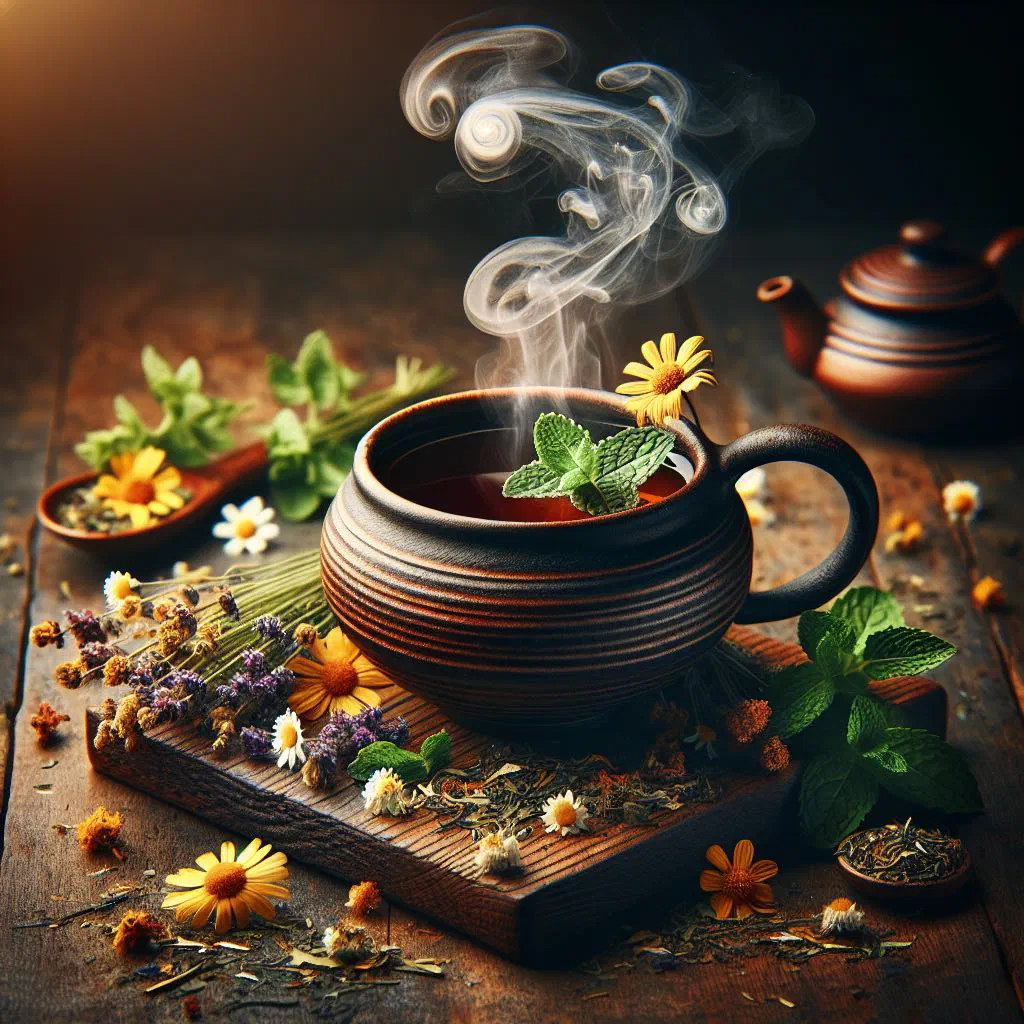
Discover Zimbabwean Herb-Infused Tea, a fragrant brew that turns a simple cup of hot water into a small celebration of southern African plant life. Built on dried herbs such as rooibos and hibiscus and lifted with honey and fresh mint, it is soothing, gently sweet and quietly restorative. Few drinks capture the warmth of Zimbabwean hospitality so easily, and few are so simple to make at home.
About Zimbabwean Herb-Infused Tea
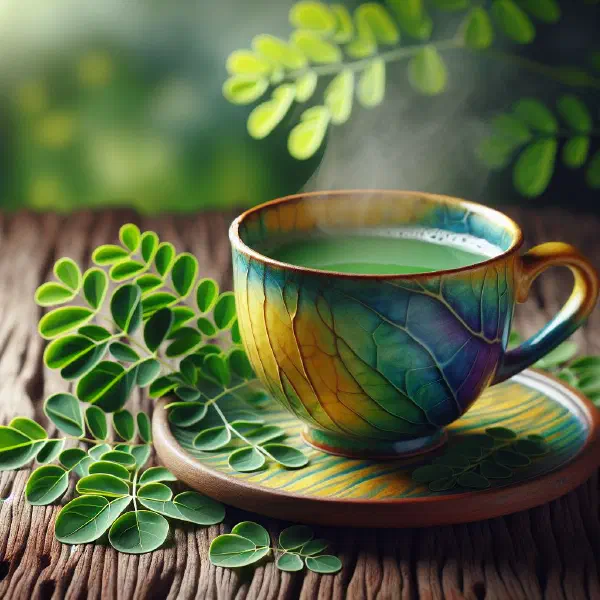
This aromatic herbal tea from Zimbabwe is a wonderful addition to any tea lover’s repertoire. The blend brings together healing plants and traditional flavours, offering not only a distinctive taste but a whole range of wellbeing benefits. It is an invitation to explore the abundance of African herbs and to enjoy that richness in a single cup. With one pot you bring a piece of Zimbabwean culture straight into your own kitchen.
Ingredients (serves 1–2)
- 1 teaspoon dried herbal tea (rooibos or hibiscus, for example)
- 2 cups water
- 1 teaspoon honey or sugar, to taste
- Fresh mint or lemon balm (optional)
Shopping for the ingredients
The ingredients for this herbal tea are easy to find in a well-stocked supermarket as well as in specialist tea shops and online stores. Dried herbs in particular are worth seeking out in the tea aisle or in a health food shop. Choose good-quality produce wherever you can, since that is what delivers both the fullest aroma and the greatest benefit. Fresh herbs can be picked up at local markets, or simply cut from your own garden if you grow them.
Preparing the dish
Preparation is straightforward but matters if you want the full aroma to come through. Start by choosing the herbs you would like to use, and feel free to experiment with different combinations until you find the blend that suits you. It helps to bruise the herbs lightly before brewing, as this releases their essential oils. Getting the ratio of herbs to water right is the key to a rounded, full-bodied cup rather than a thin one.
Step-by-step instructions
- Heat two cups of water in a pan until it comes to the boil.
- Add the dried herbal tea and reduce the heat to a gentle simmer.
- Let the tea steep for around 5–10 minutes, depending on how strong you like it.
- Strain the tea into a cup and sweeten to taste with honey or sugar.
- Finish, if you like, with fresh herbs such as mint or lemon balm.
Gluten-free / lactose-free version
This herbal tea is naturally free from gluten and lactose. Every ingredient is plant-based, which makes the drink particularly well suited to anyone with an intolerance. Just check that the herbs you buy come from a reliable, certified gluten-free source. With that in mind you can enjoy the tea without a second thought and make the most of its layered flavours.
Tips for vegans and vegetarians
For vegans this tea is an excellent choice, since it contains no animal products at all. If you want extra sweetness without the honey, reach for alternatives such as agave syrup or stevia. These options are entirely plant-based and often lower in calories too. Do experiment with different sweeteners and herbs until you land on your ideal cup.
More tips and tricks
To get the best from your herbal tea, put ingredient quality first. Store dried herbs somewhere cool and dark to keep them fresh and fragrant for as long as possible. Play with different steeping times to find the strength that suits your palate. A little creativity in how you serve it can lift the whole experience, much as it does with a bowl of Sorghum Porridge.
Adapting the recipe to your taste
This tea is easily tailored to personal preference. Combine different herbs freely to create new flavour profiles, and try add-ins such as citrus fruit or ginger for a fresher, sharper edge. Adjustments like these can strengthen not only the taste but the restorative qualities of the drink as well. Treat the recipe as a starting point rather than a fixed rule.
Ingredient substitutions
If some of the ingredients are not to hand, plenty of alternatives will do the job. Instead of honey, use agave syrup or coconut blossom sugar. Both are plant-based and bring their own gentle sweetness. If you cannot find dried herbs, fresh ones or good-quality teabags make a practical stand-in. It is always worth being inventive and discovering new flavours along the way.
Drink pairing ideas
This herbal tea pairs beautifully with other drinks and dishes. A fine squeeze of lemon juice adds a refreshing lift, and topping the cooled brew with sparkling mineral water turns it into an unusually good cooler. For special occasions, a splash of sparkling wine or prosecco makes an elegant combination. Served warm, it also sits nicely alongside sweet snacks such as Pumpkin Fritters.
Serving and presentation ideas
To present the tea at its best, use attractive cups or glasses that show off its colour. Add fresh mint or citrus slices as a garnish to give the drink a visual dimension. A handsome teapot or a small serving tray turns tea-drinking into a proper occasion rather than an afterthought. A harmonious presentation shows respect for the tea and for the place it comes from.
A bit of history
Herbal tea has a long tradition in Zimbabwe, where it is valued above all for its restorative properties. Many of the plants used are woven into African cultural life and often serve a ritual purpose as well as a practical one. These blends have been handed down over generations and stand as a symbol of the connection between people and the land. Preparing and sharing tea carries an important social function in many cultures, and that is very much true of Zimbabwean cuisine.
More recipe ideas
Summary: Zimbabwean Herb-Infused Tea
In short, this aromatic herbal tea from Zimbabwe tastes wonderful and brings a host of wellbeing benefits with it. It adapts readily to personal taste and combines happily with all sorts of other ingredients. Preparation is uncomplicated and the ingredients are widely available, so you can enjoy a cup whenever the mood takes you. Let the variety and richness of African herbs into your kitchen and give your next tea break a touch of Zimbabwe.